Viñales Valley: The Tobacco Heartland of Cuba
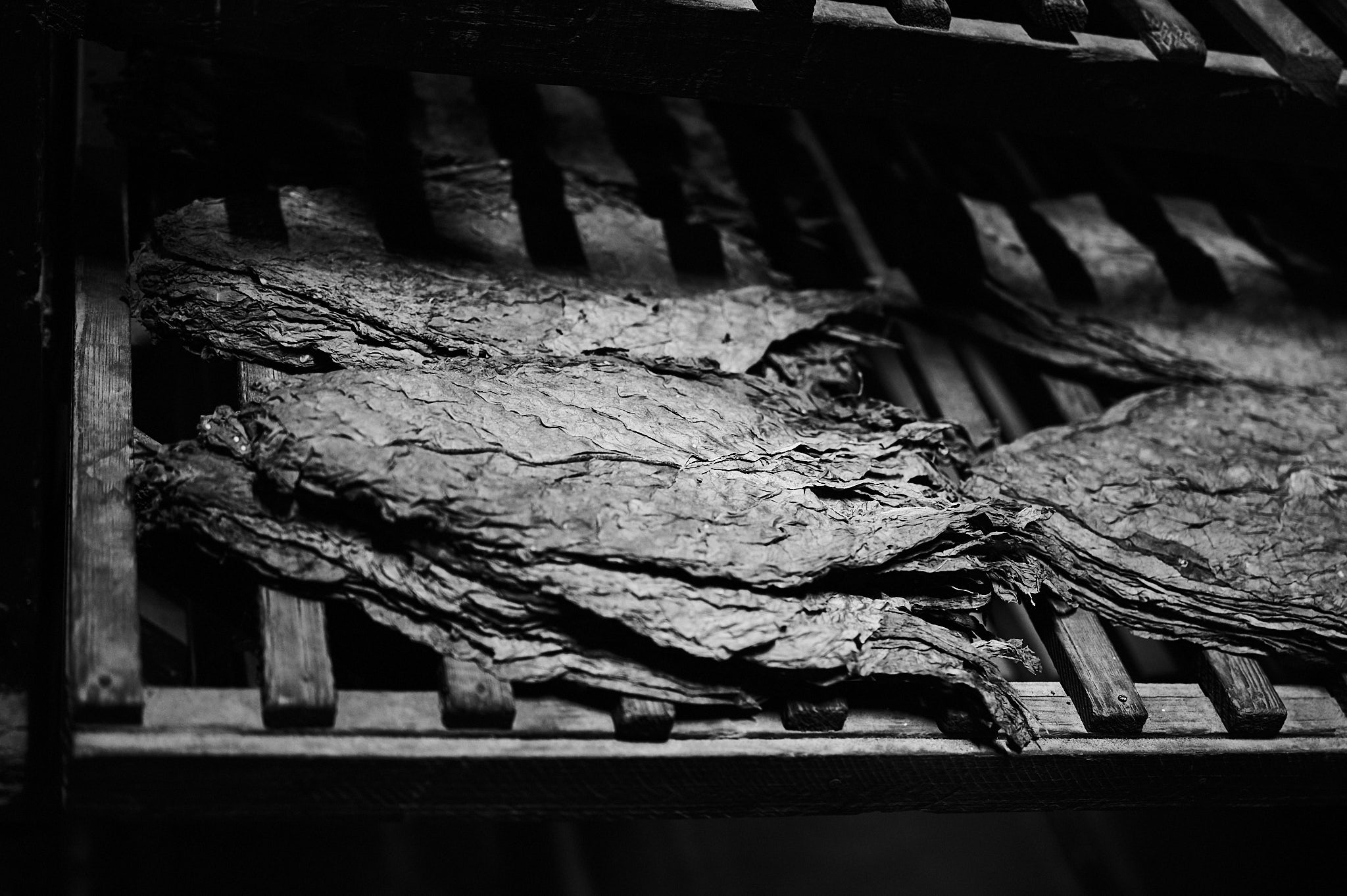
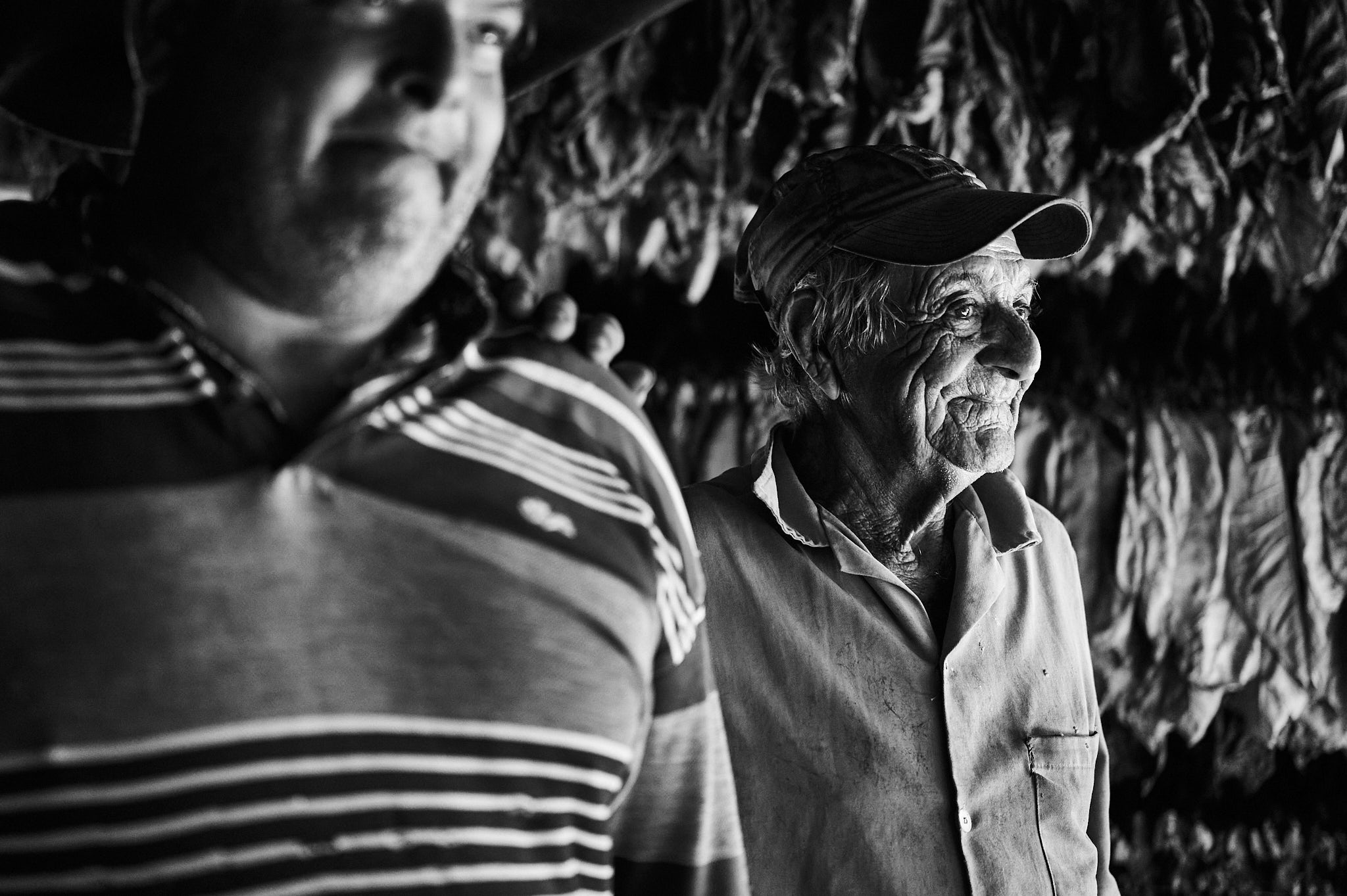
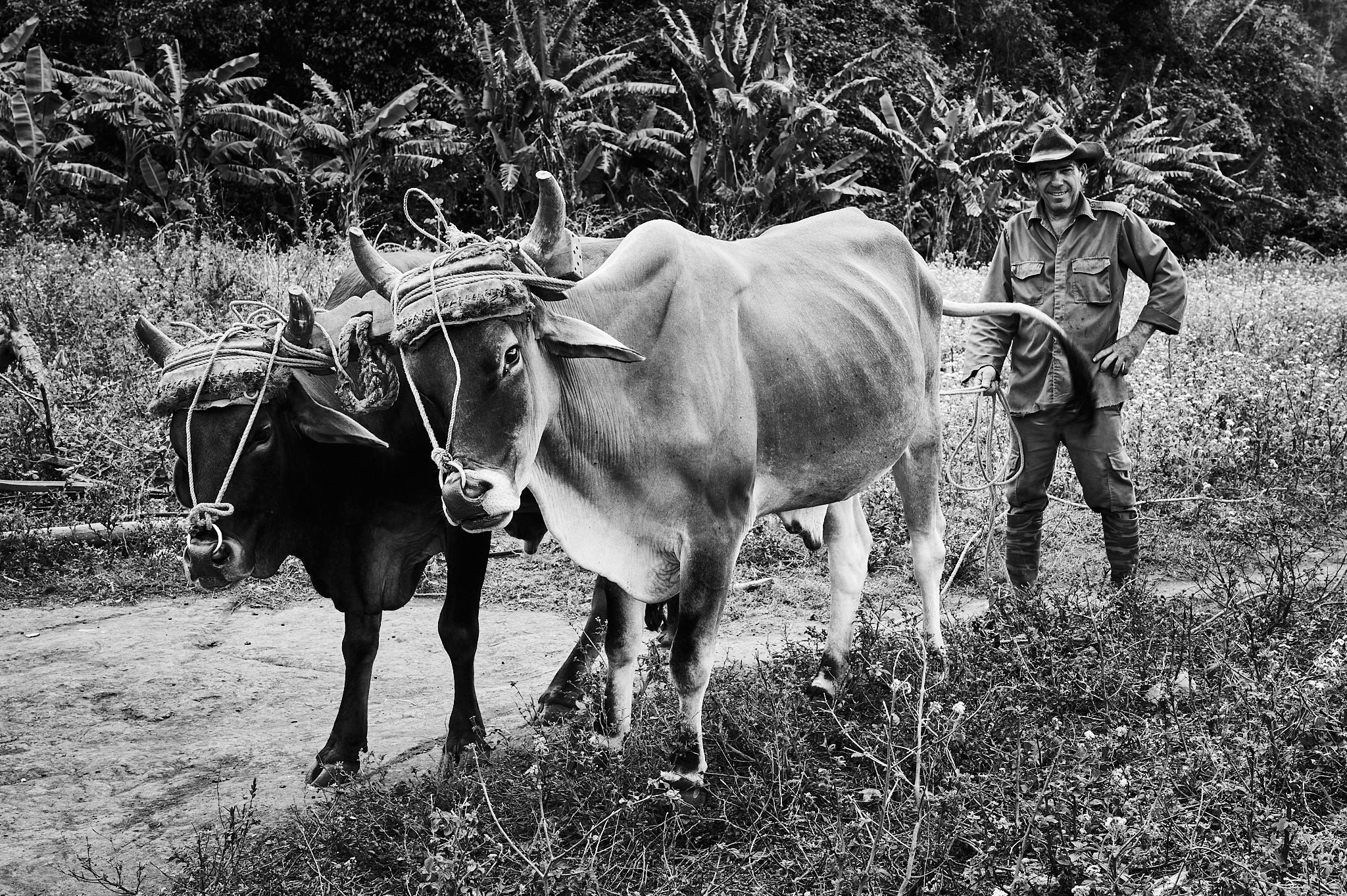
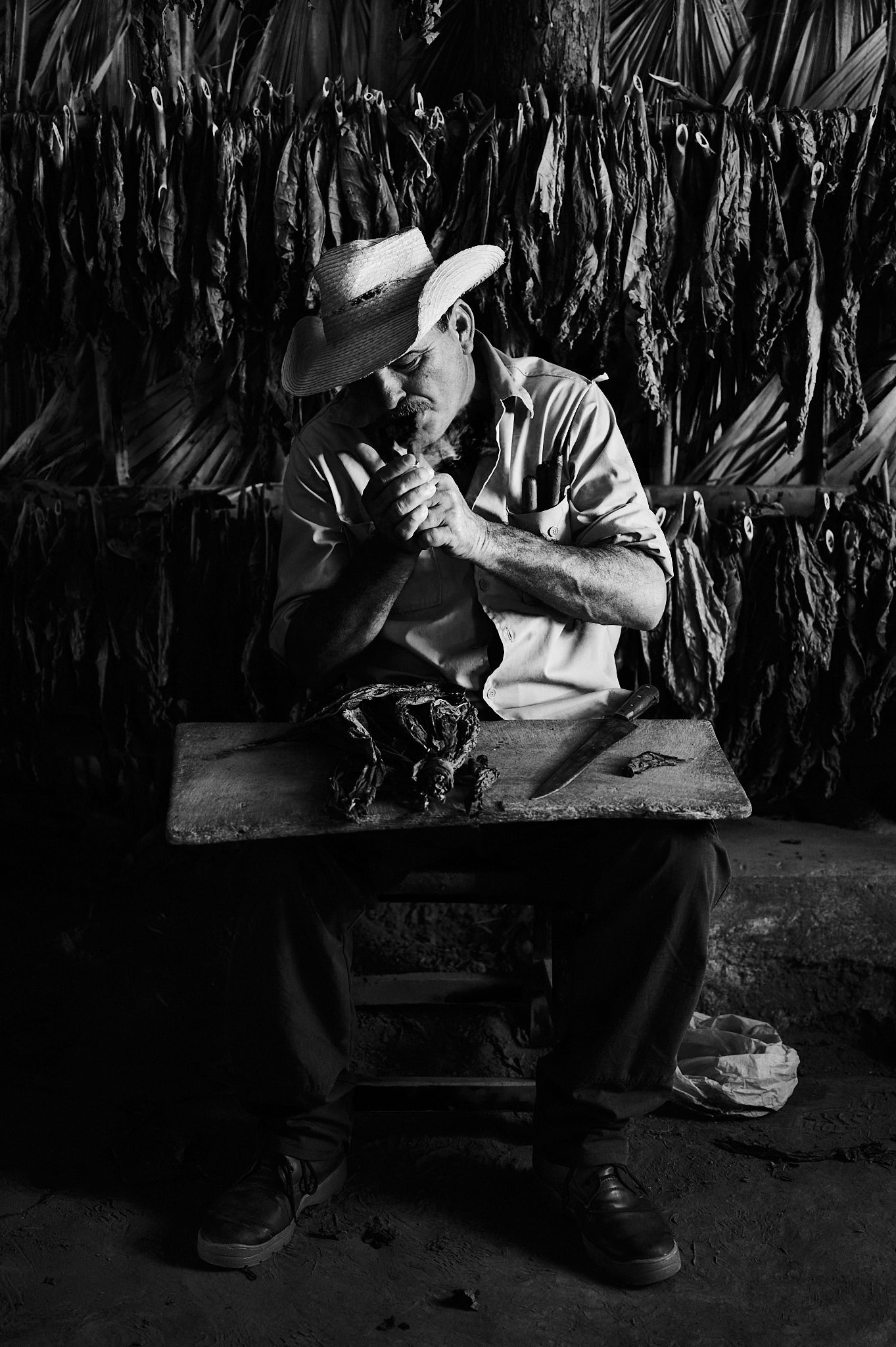
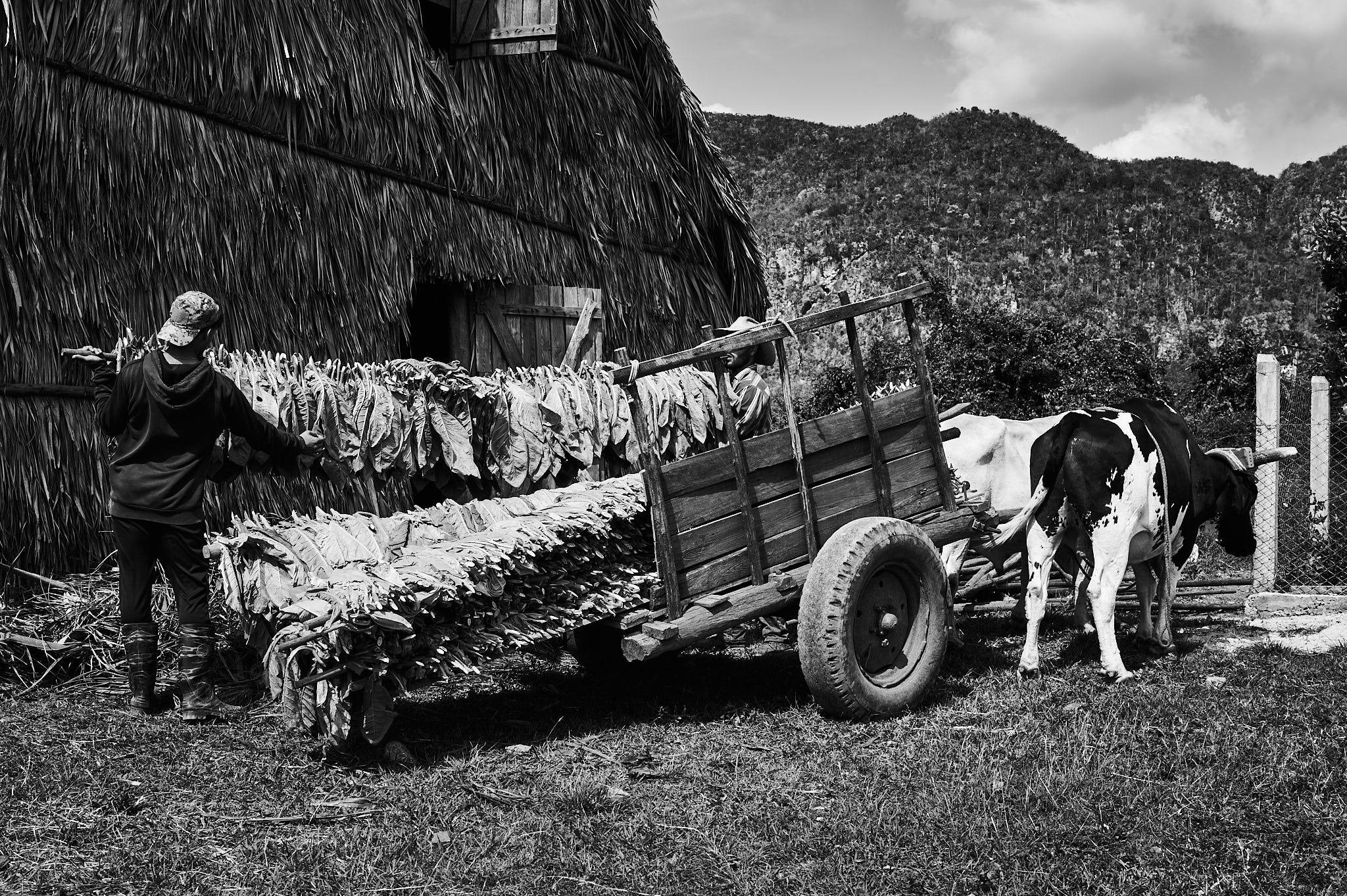
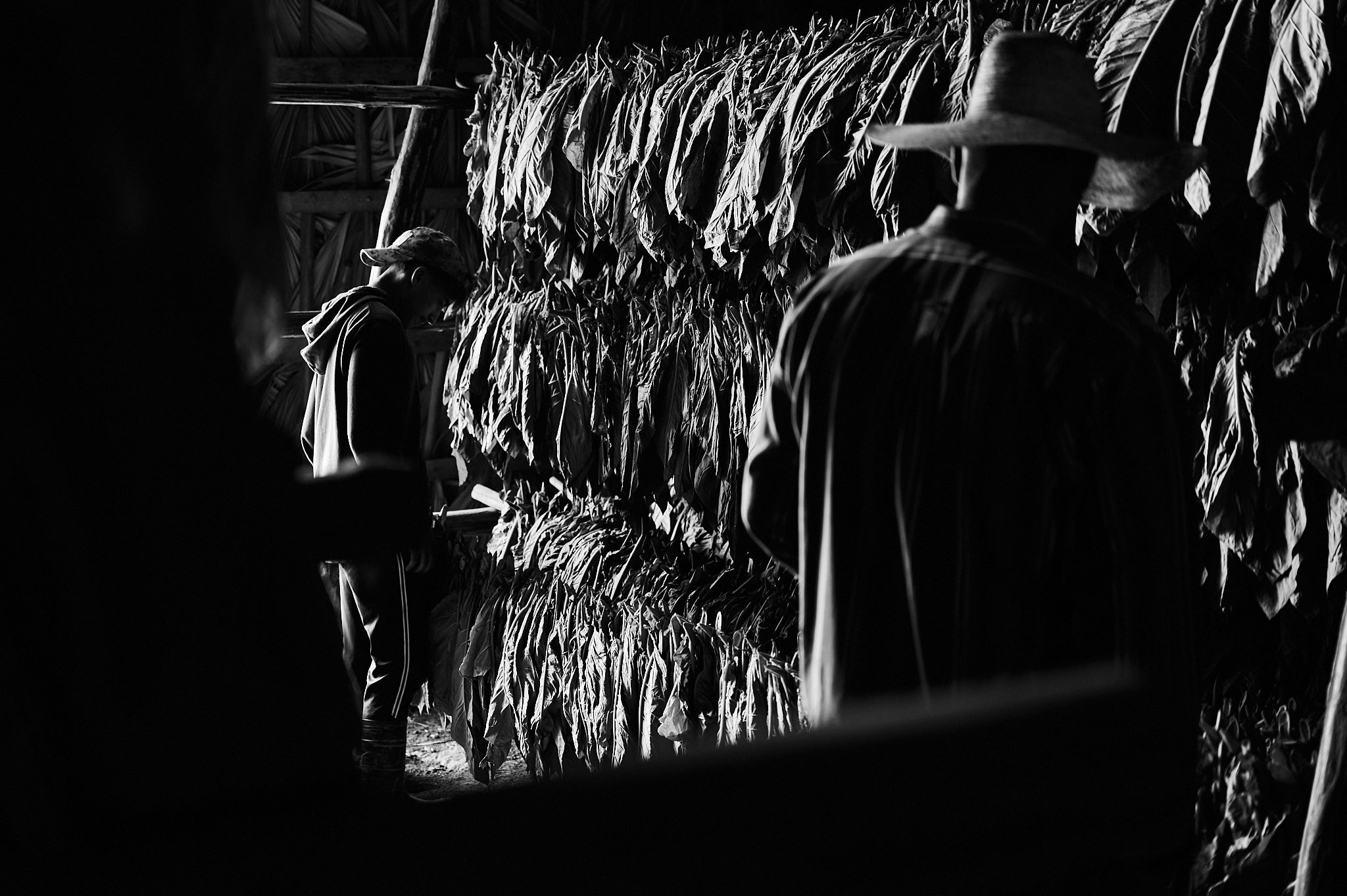
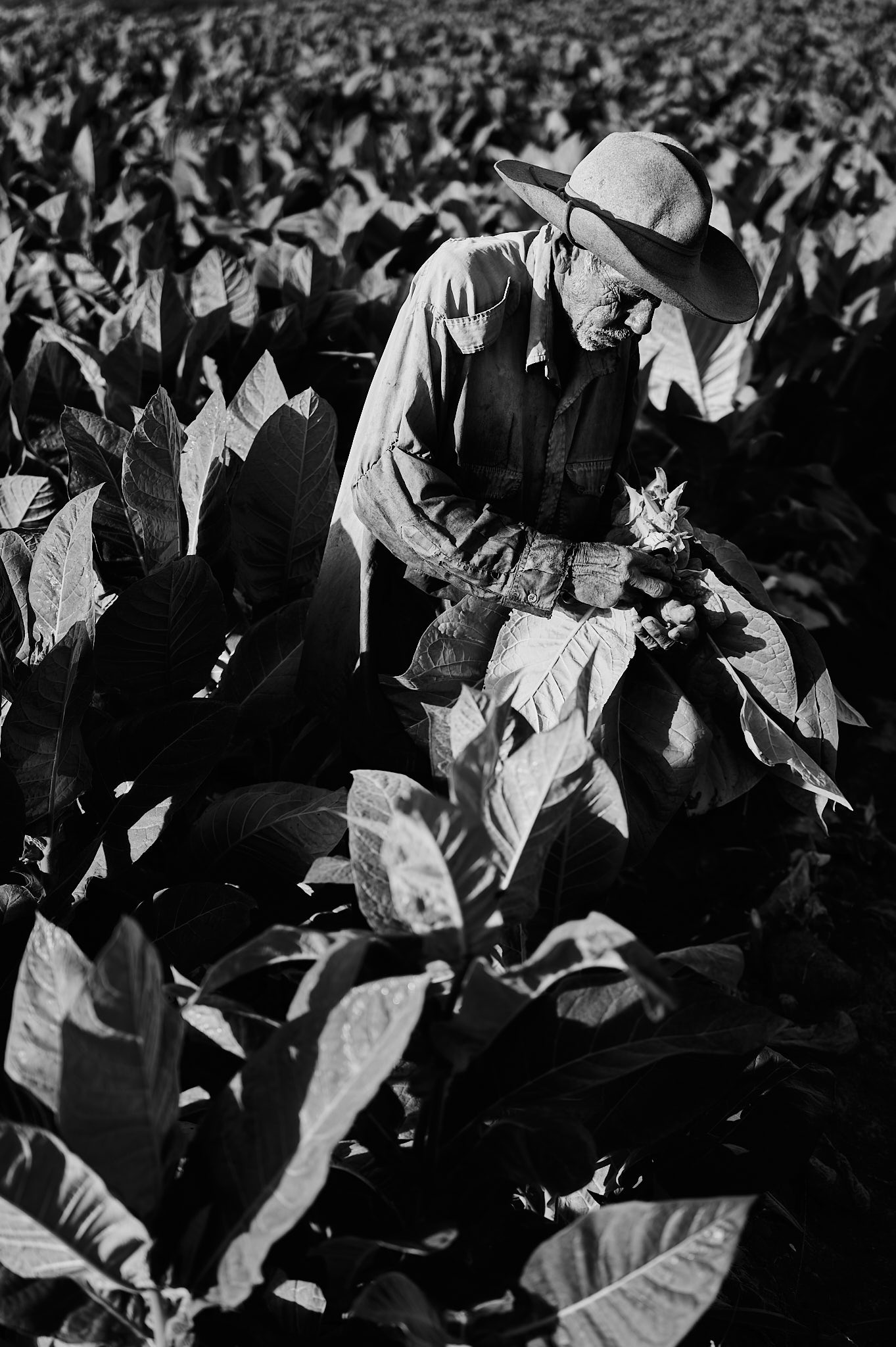
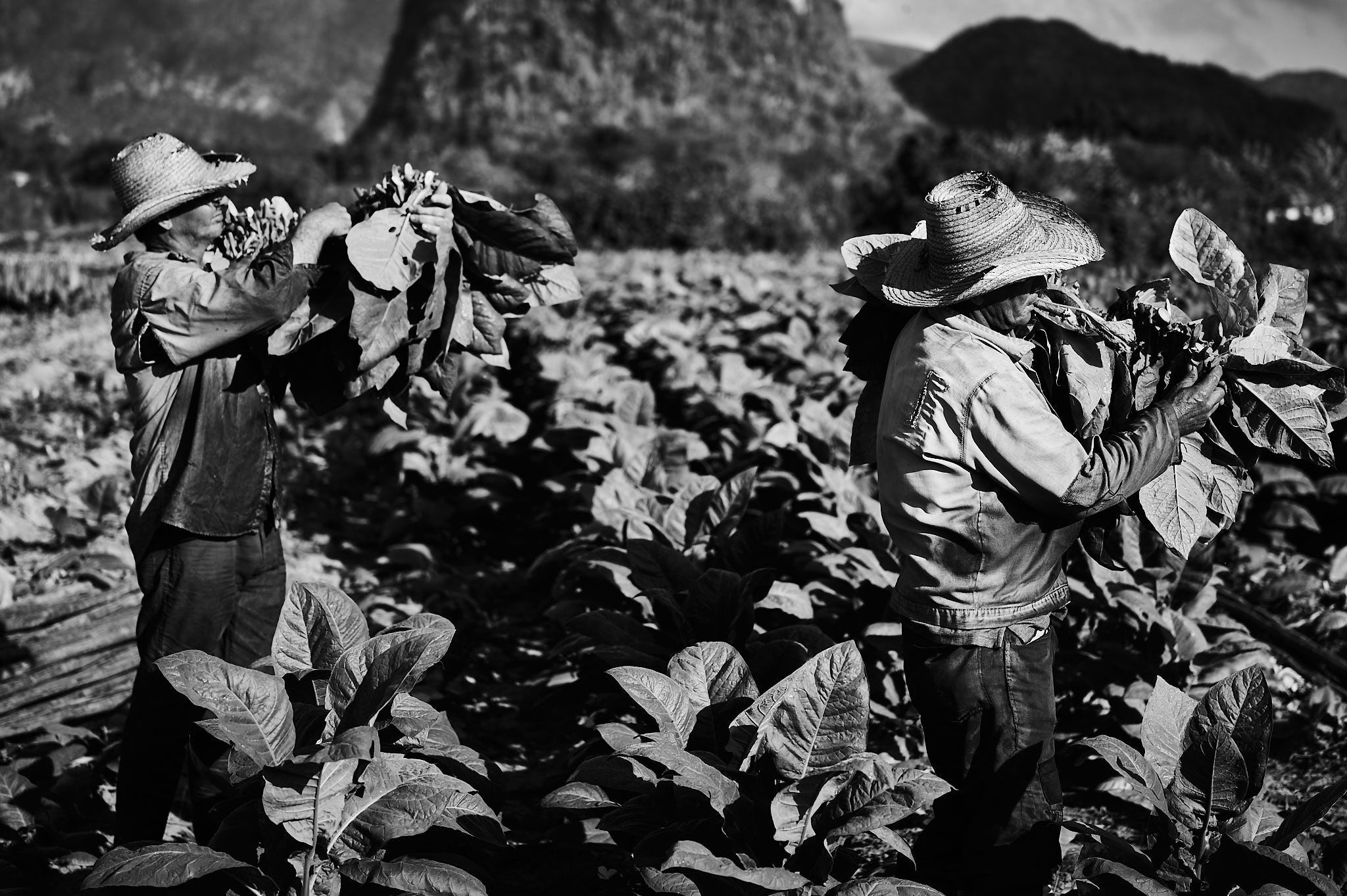
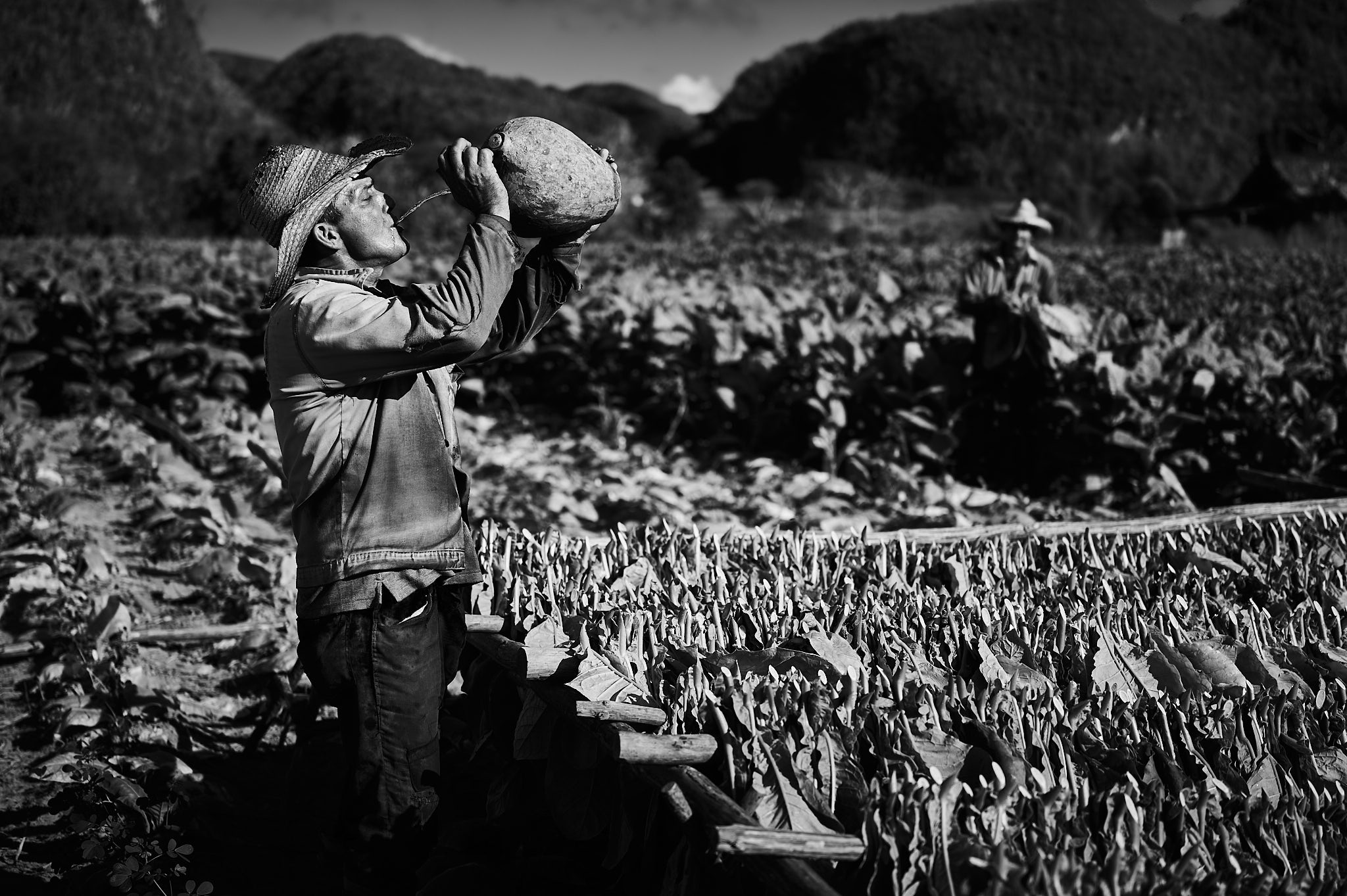
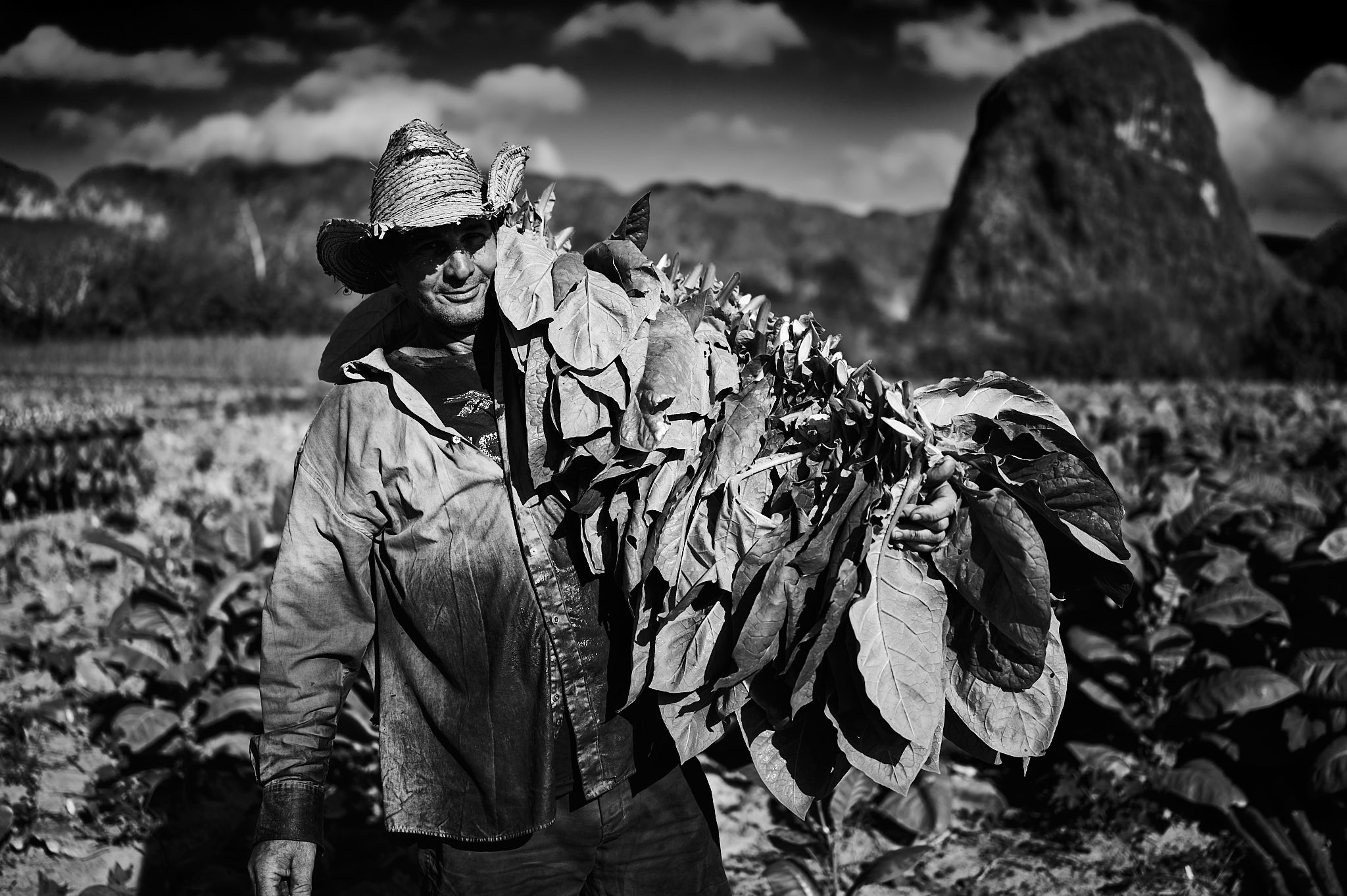
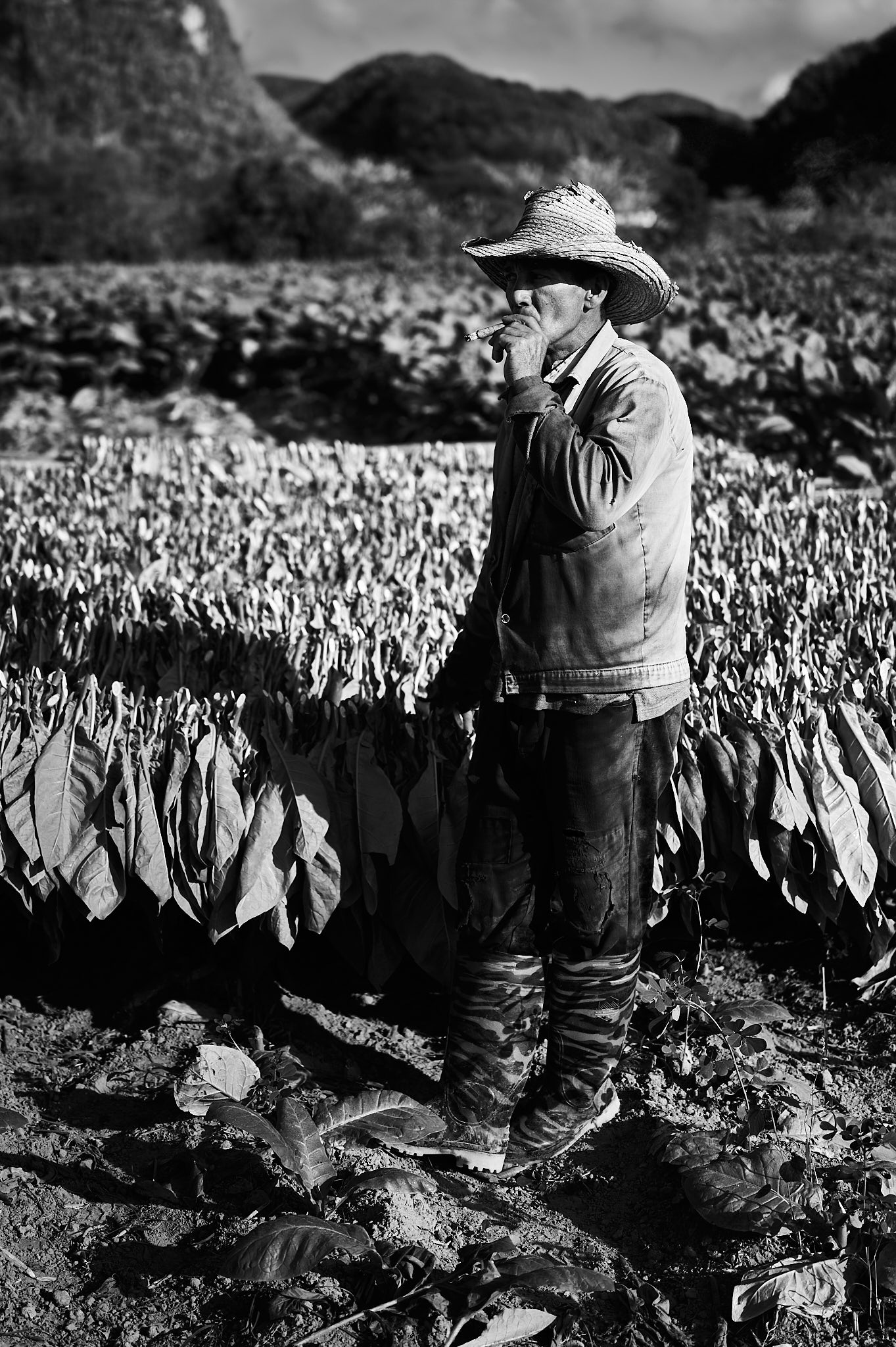
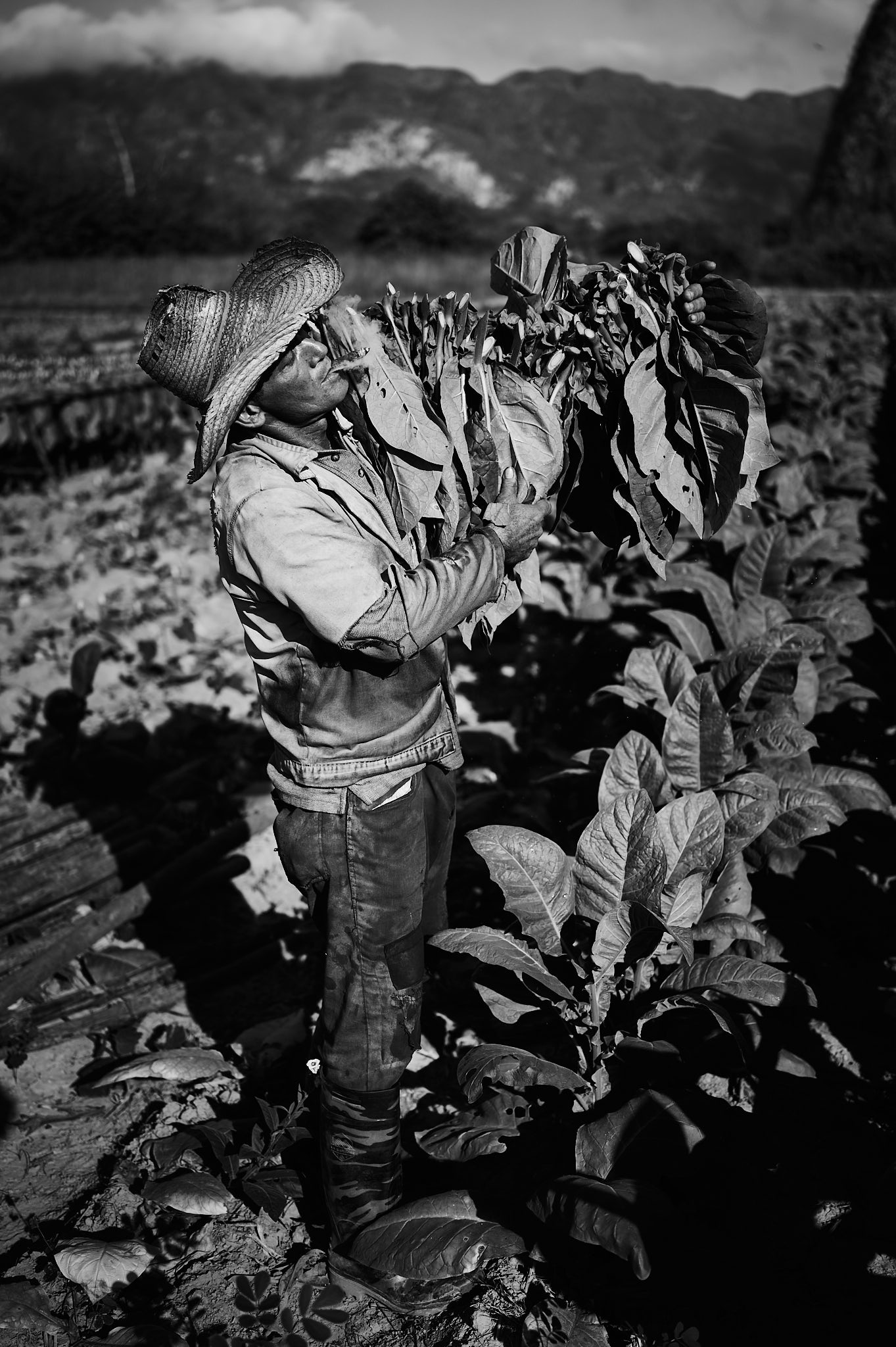
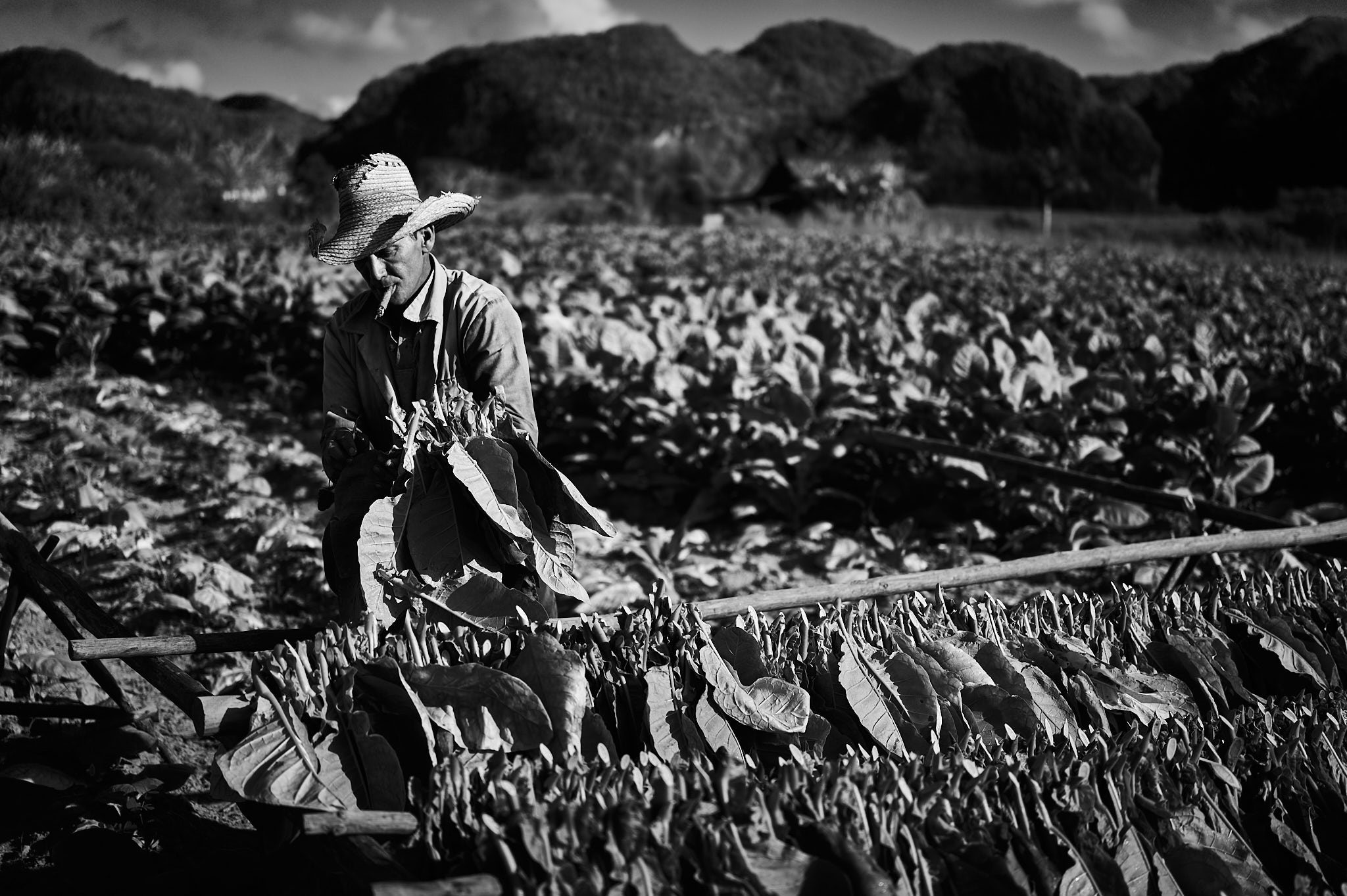
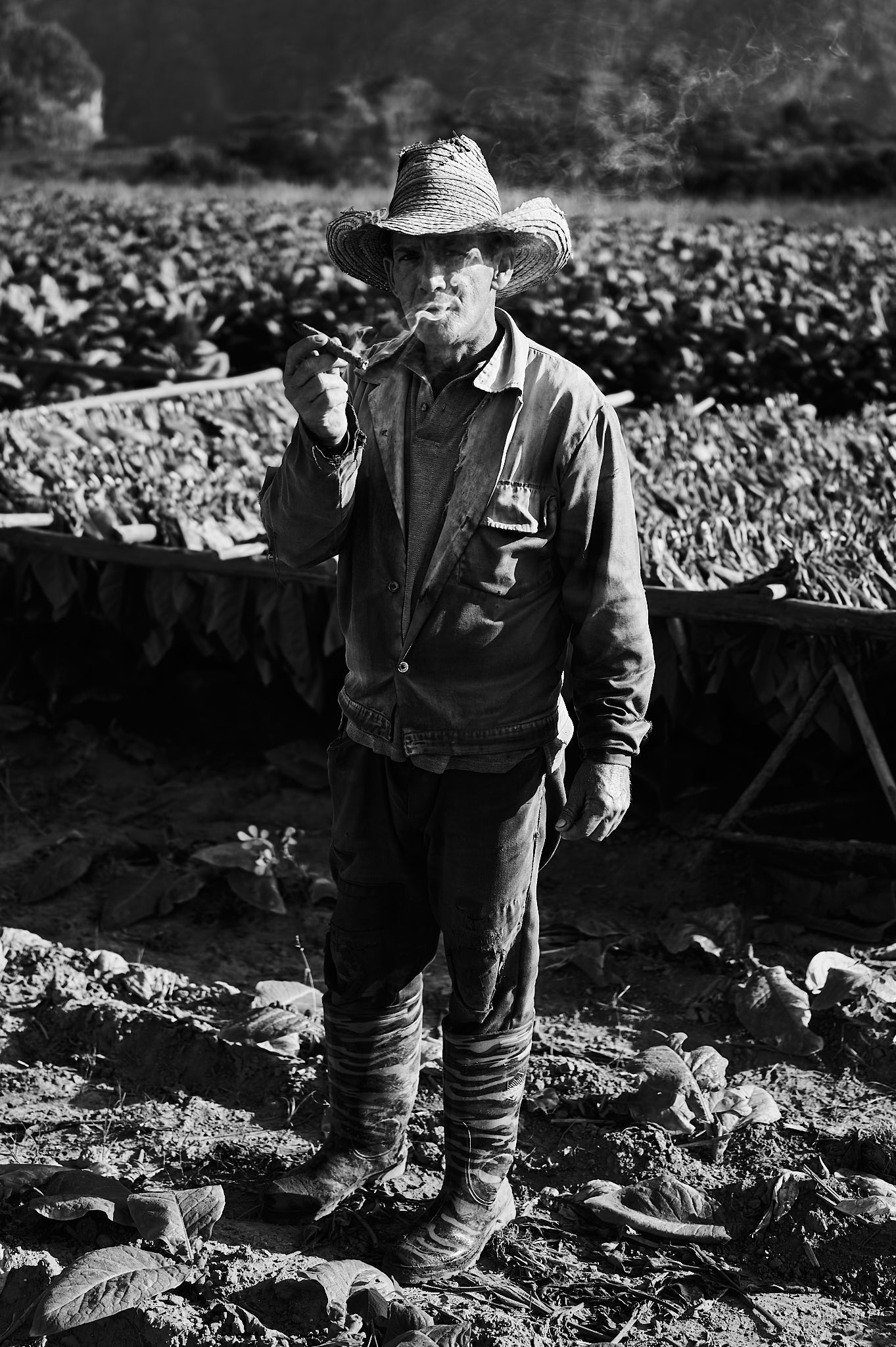
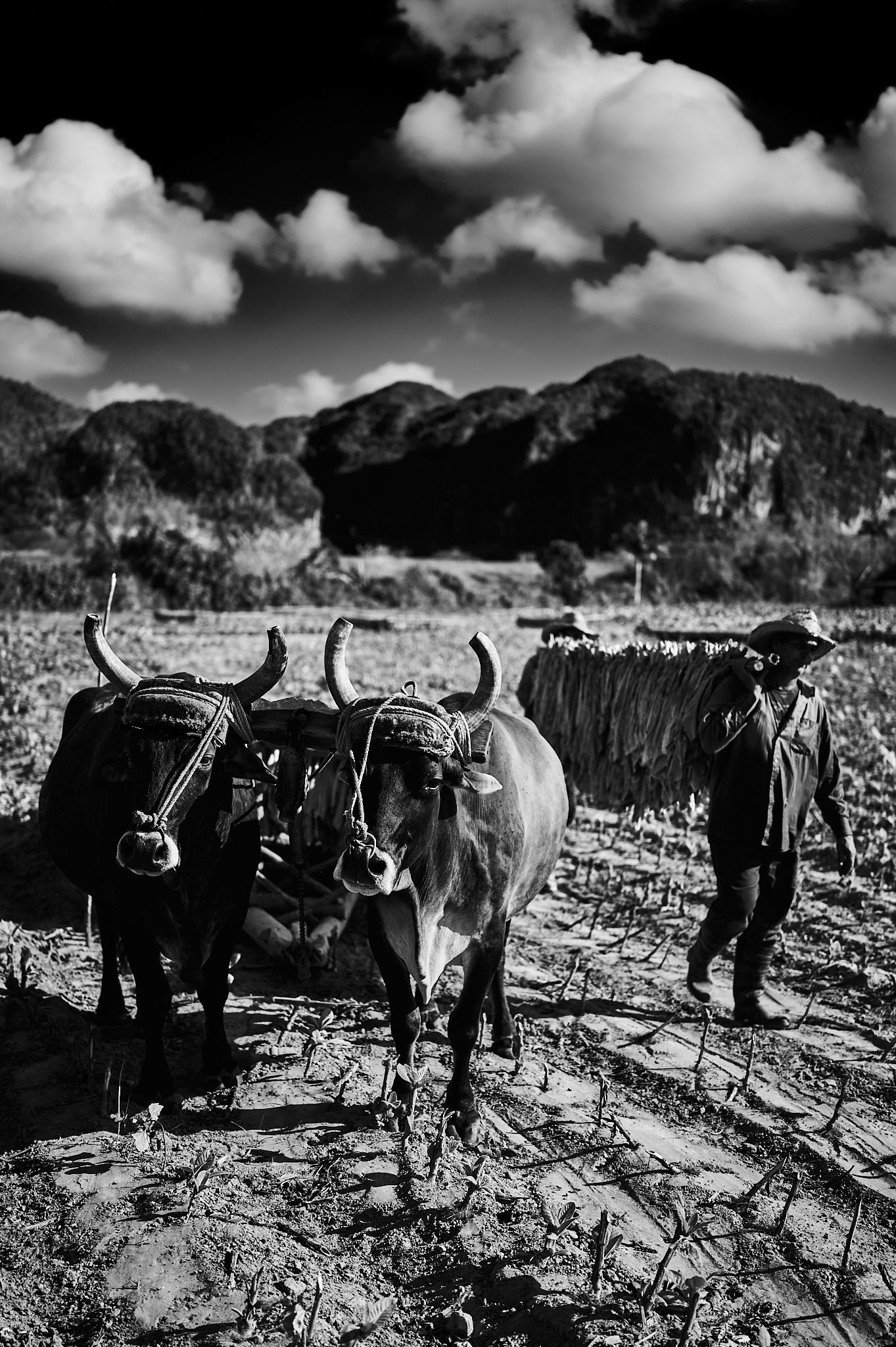
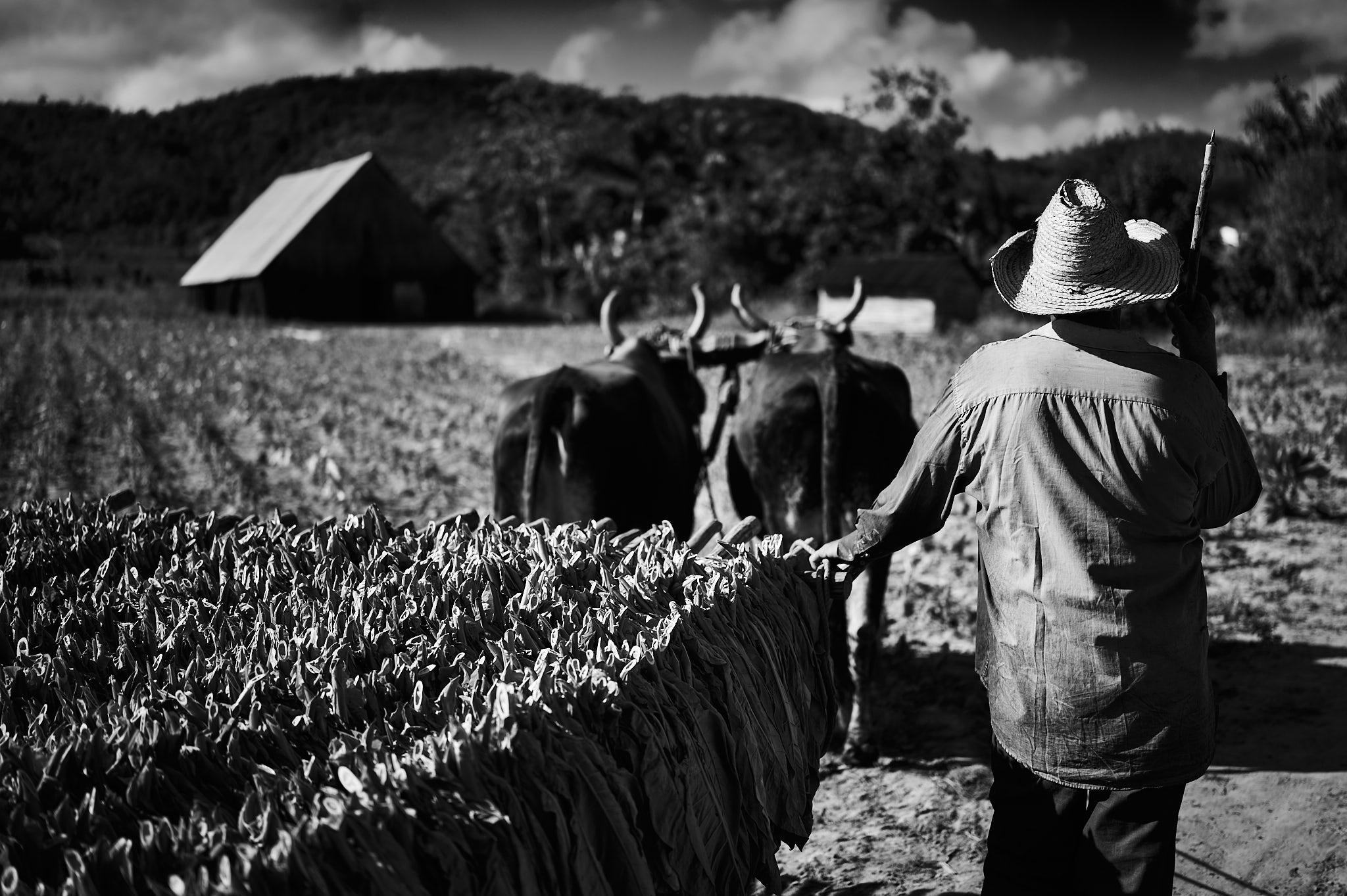
The morning mist settles over the limestone hills of the Viñales Valley, marking the start of another day in Cuba’s premier tobacco region. Here, traditional methods of cultivation have remained largely unchanged, relying more on oxen and hand labor than on modern machinery. The nutrient-rich red soil provides the essential foundation for tobacco crops eventually transformed into the world’s most famous cigars. This landscape serves as both a protected UNESCO World Heritage site and a functional hub for a demanding global industry. Understanding the complexities of this trade begins in the fields and drying barns, where local farmers manage every stage of the tobacco leaf’s development.
The Town of Viñales
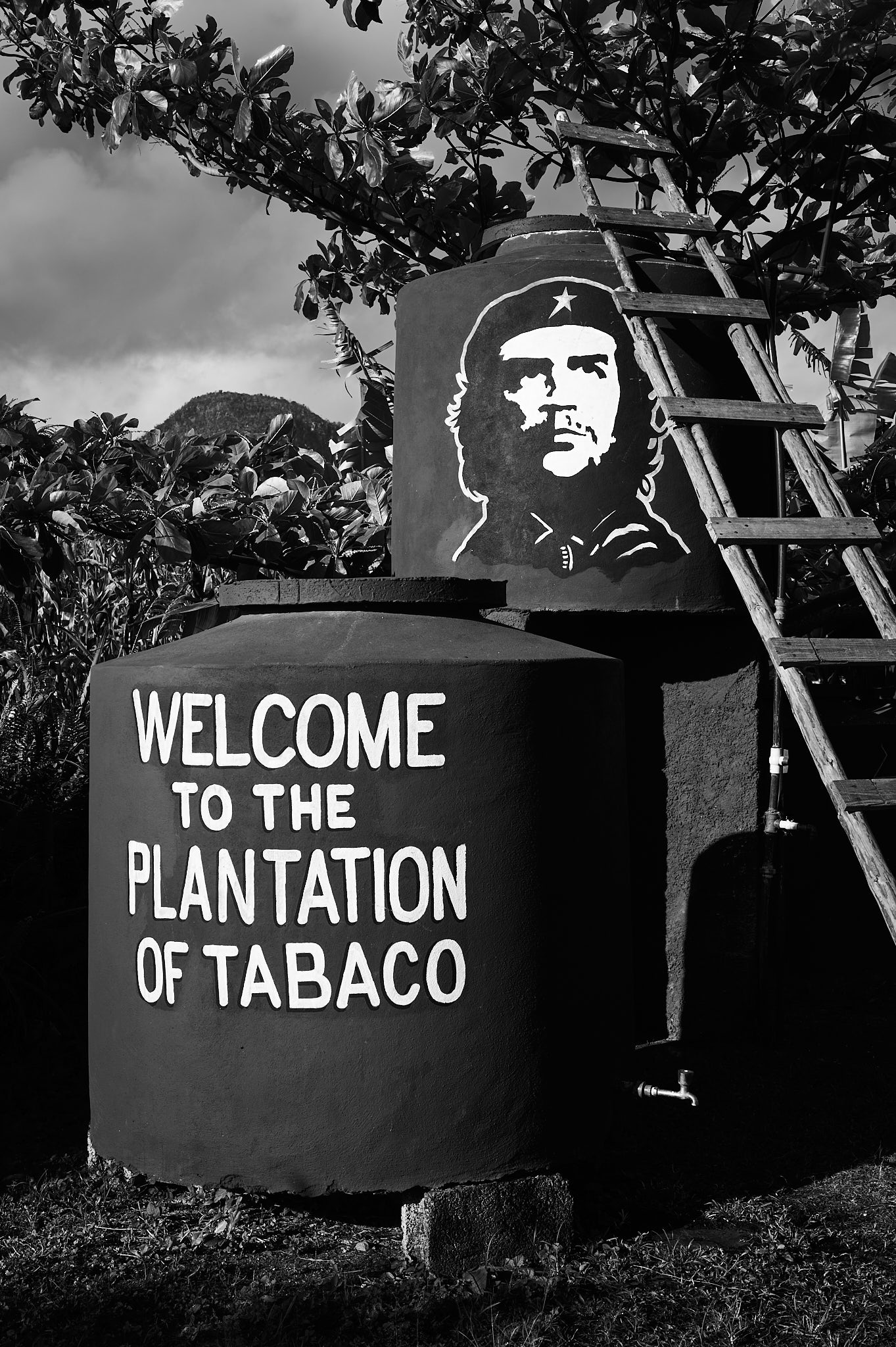
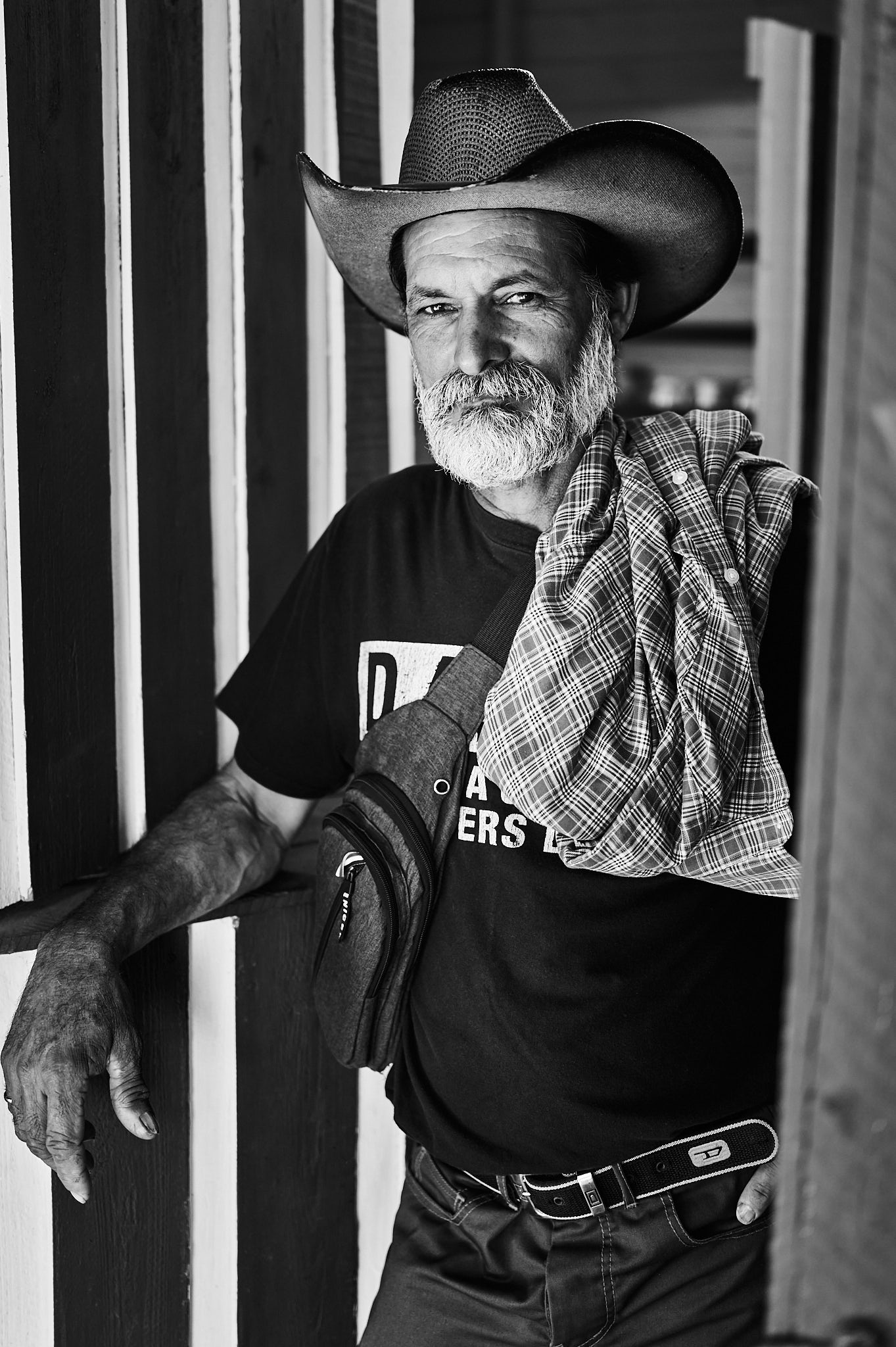
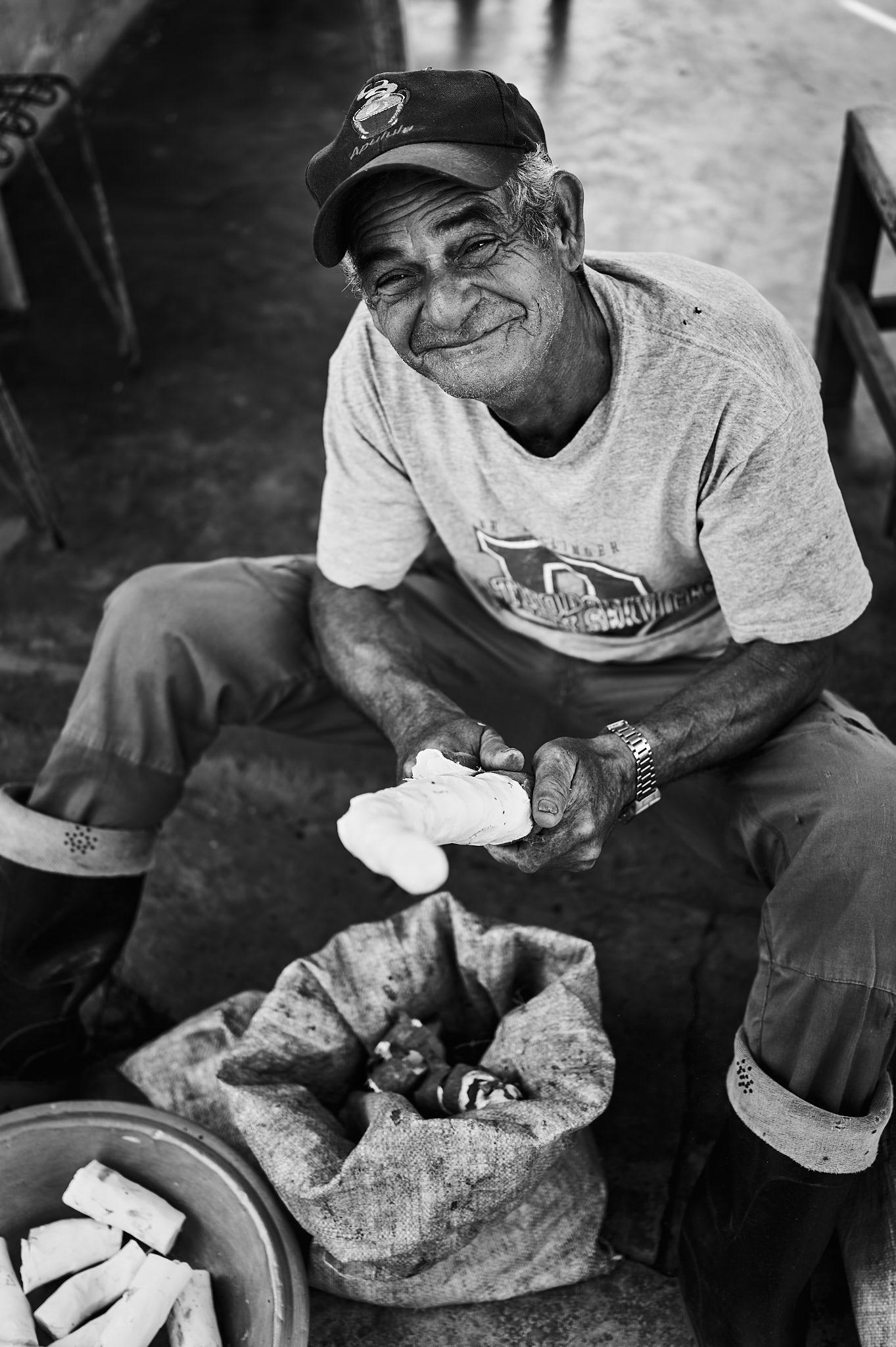
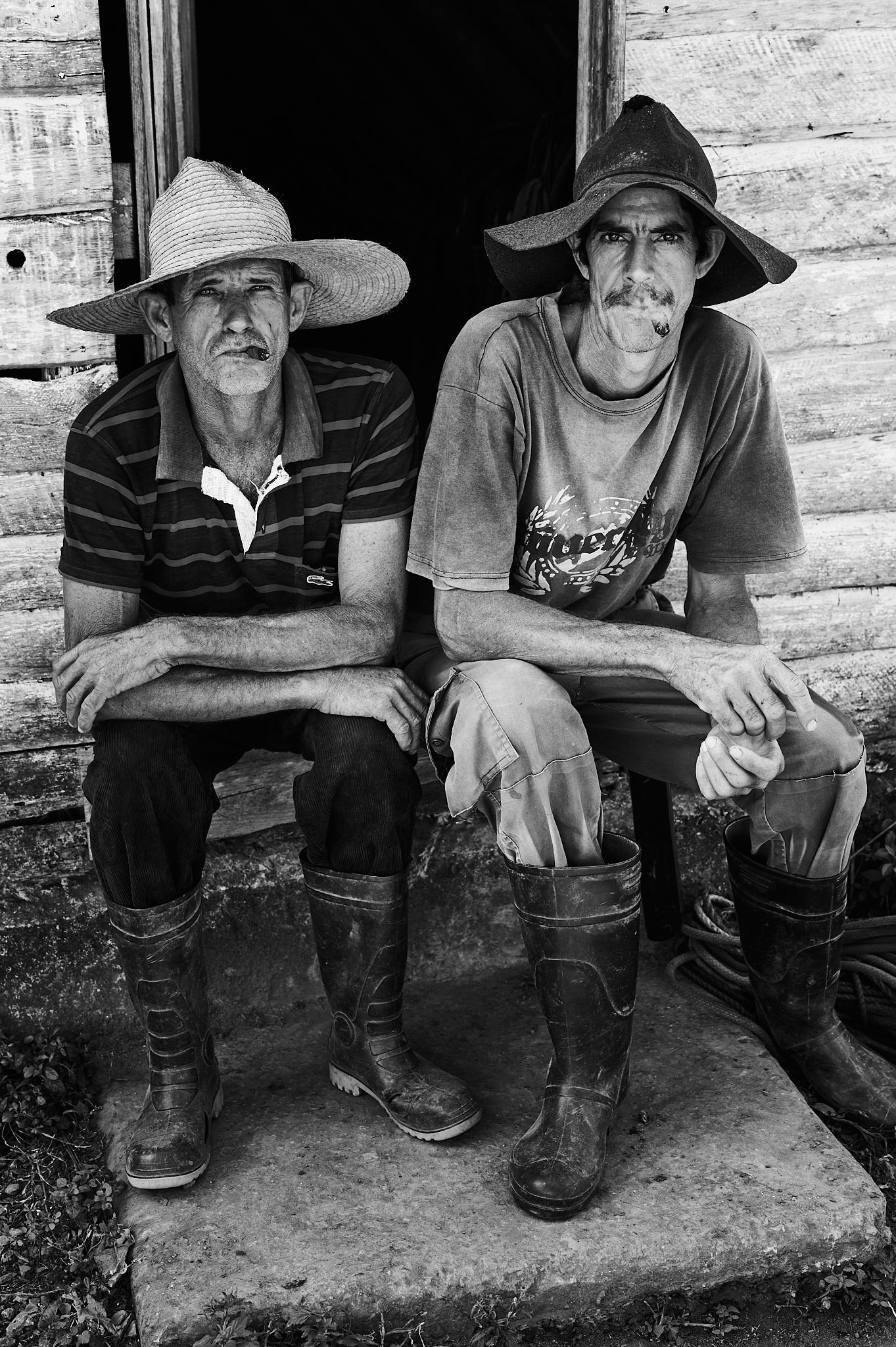
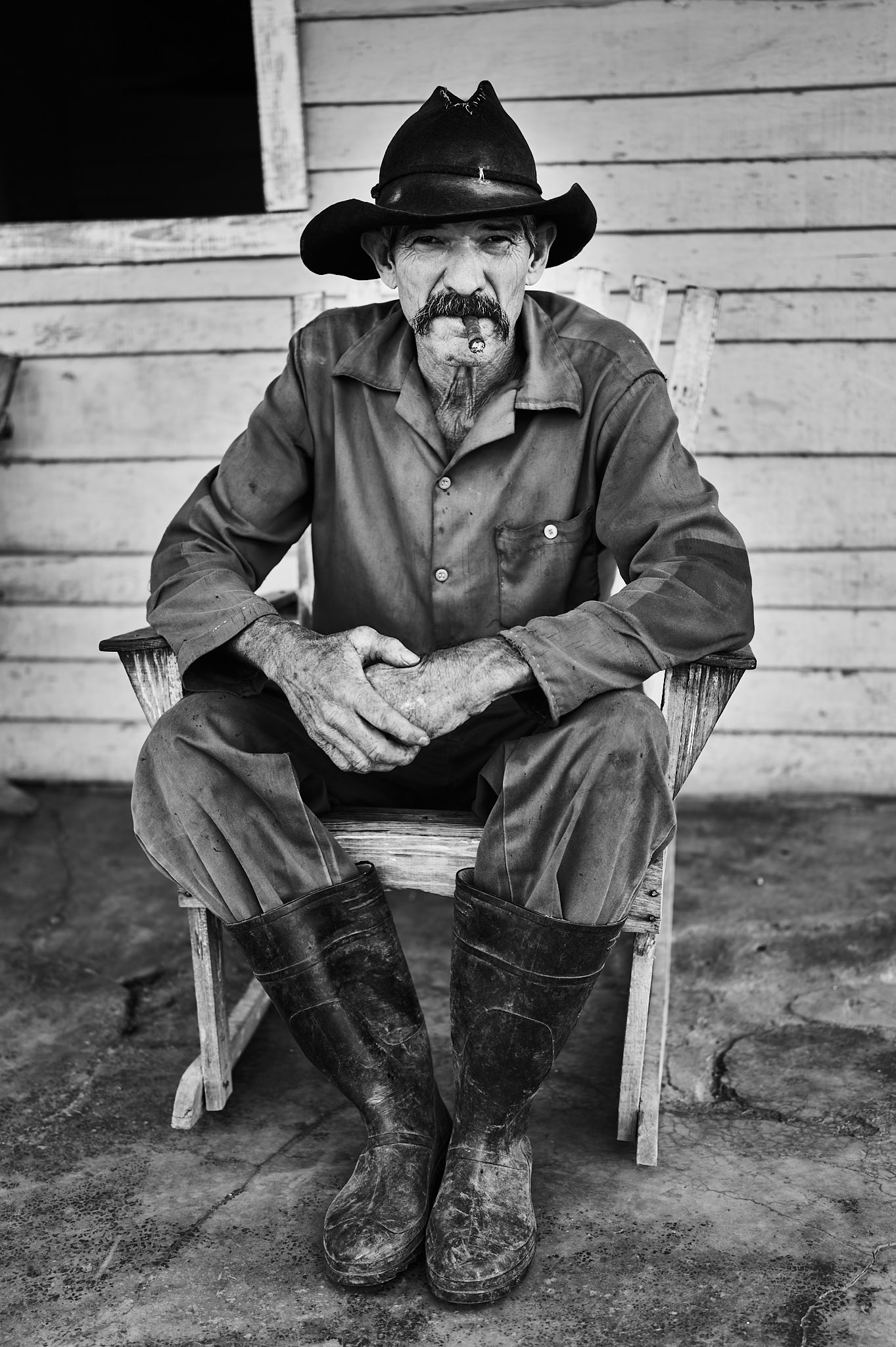
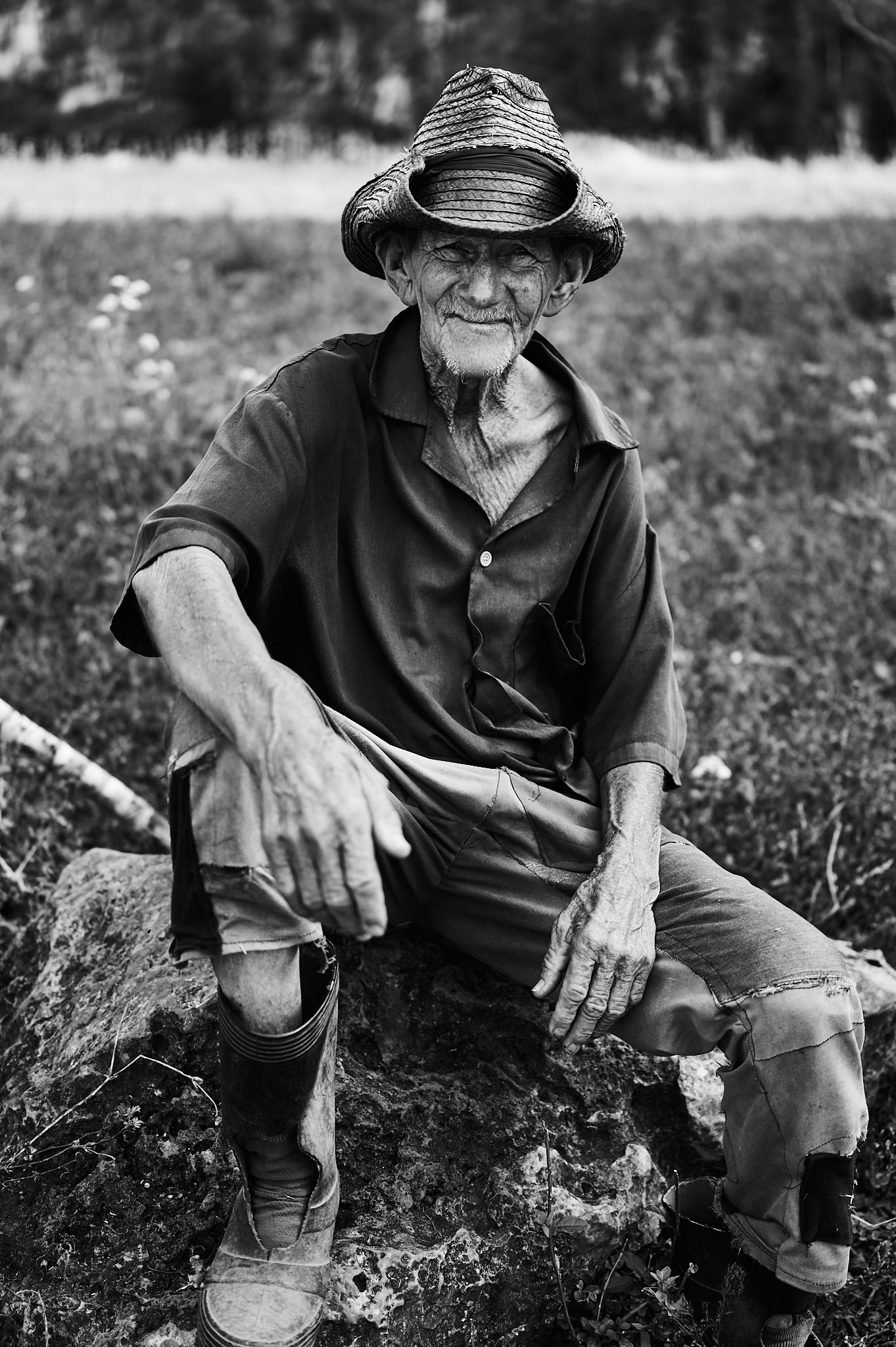
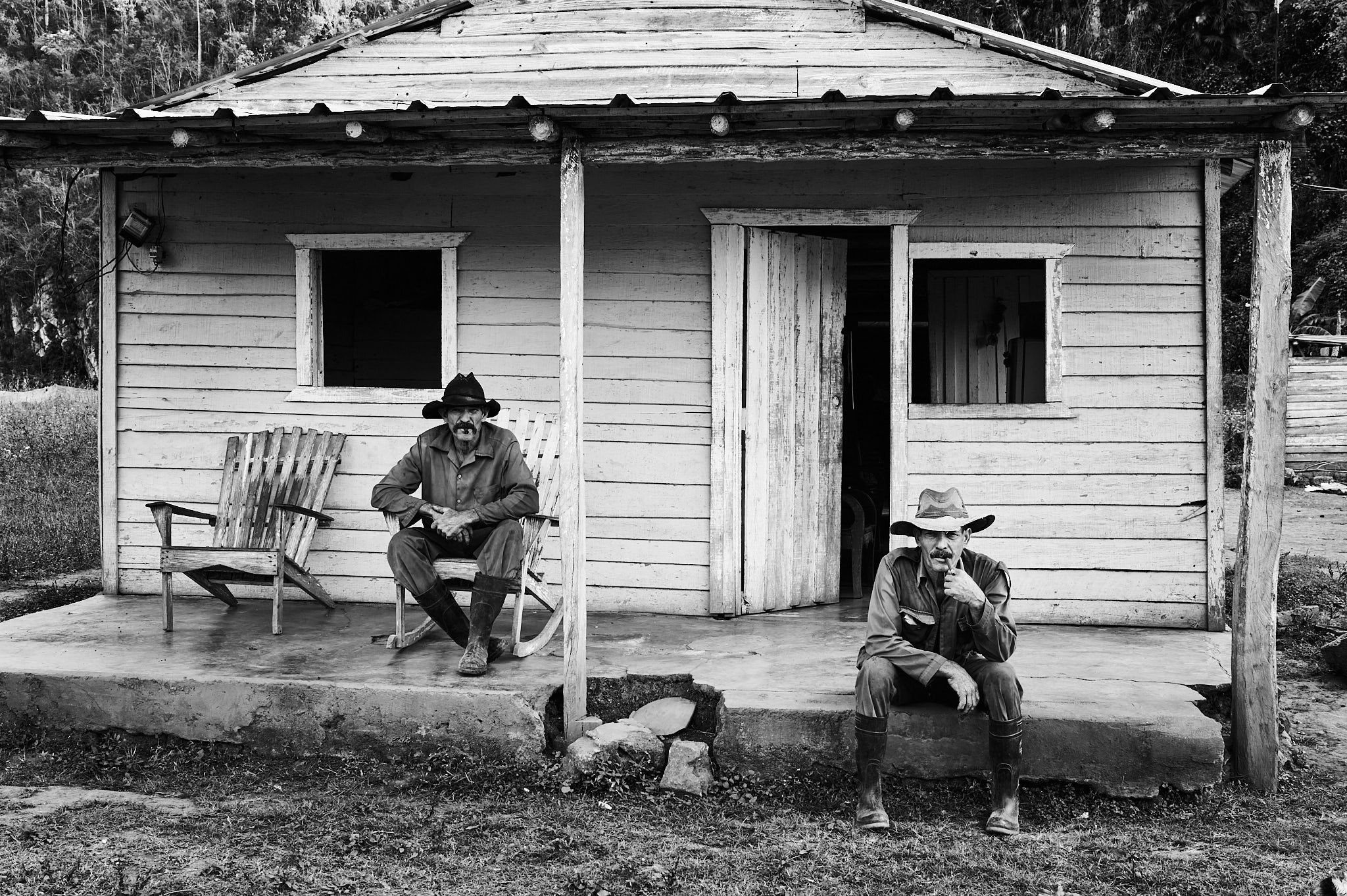
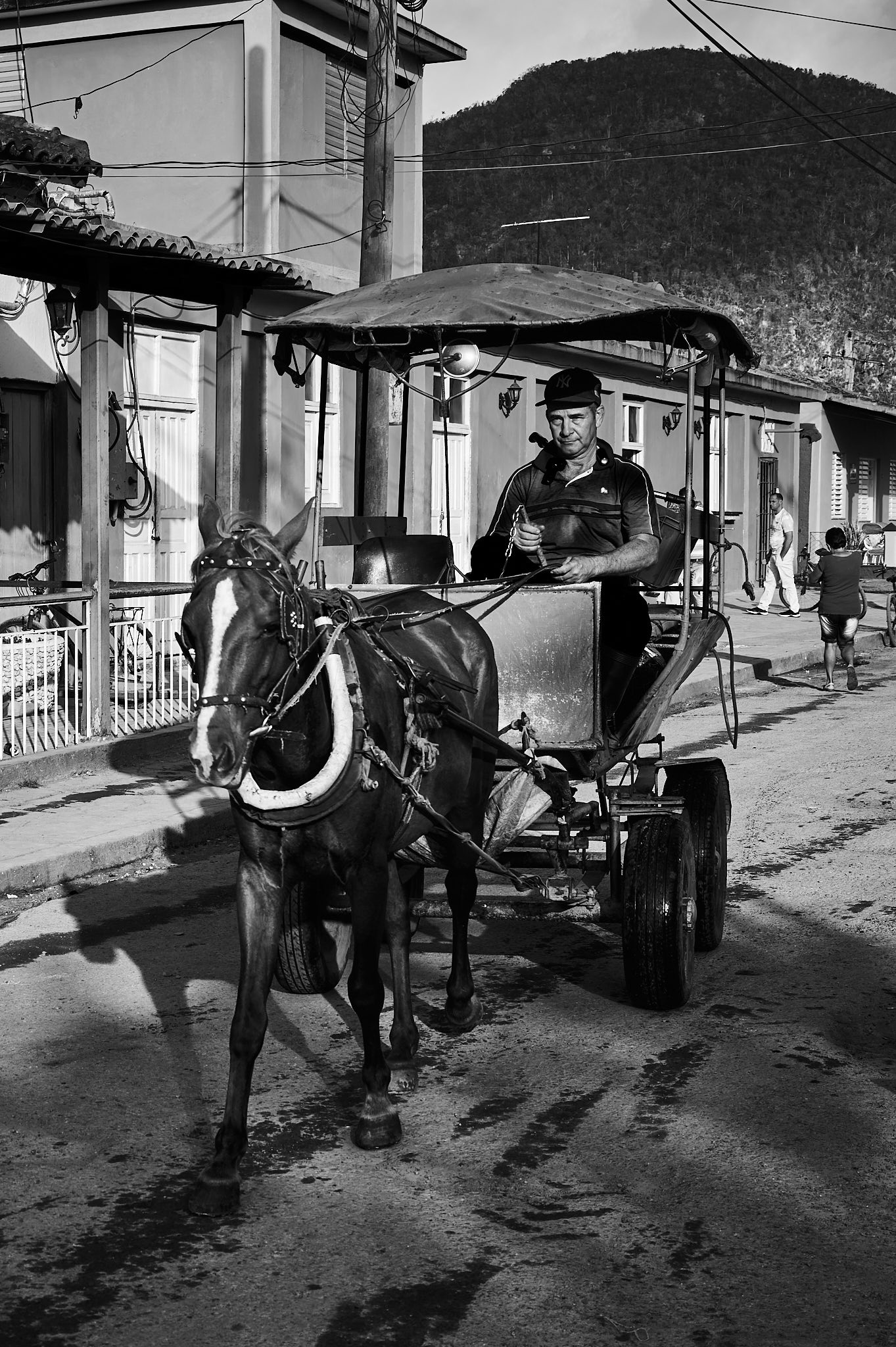
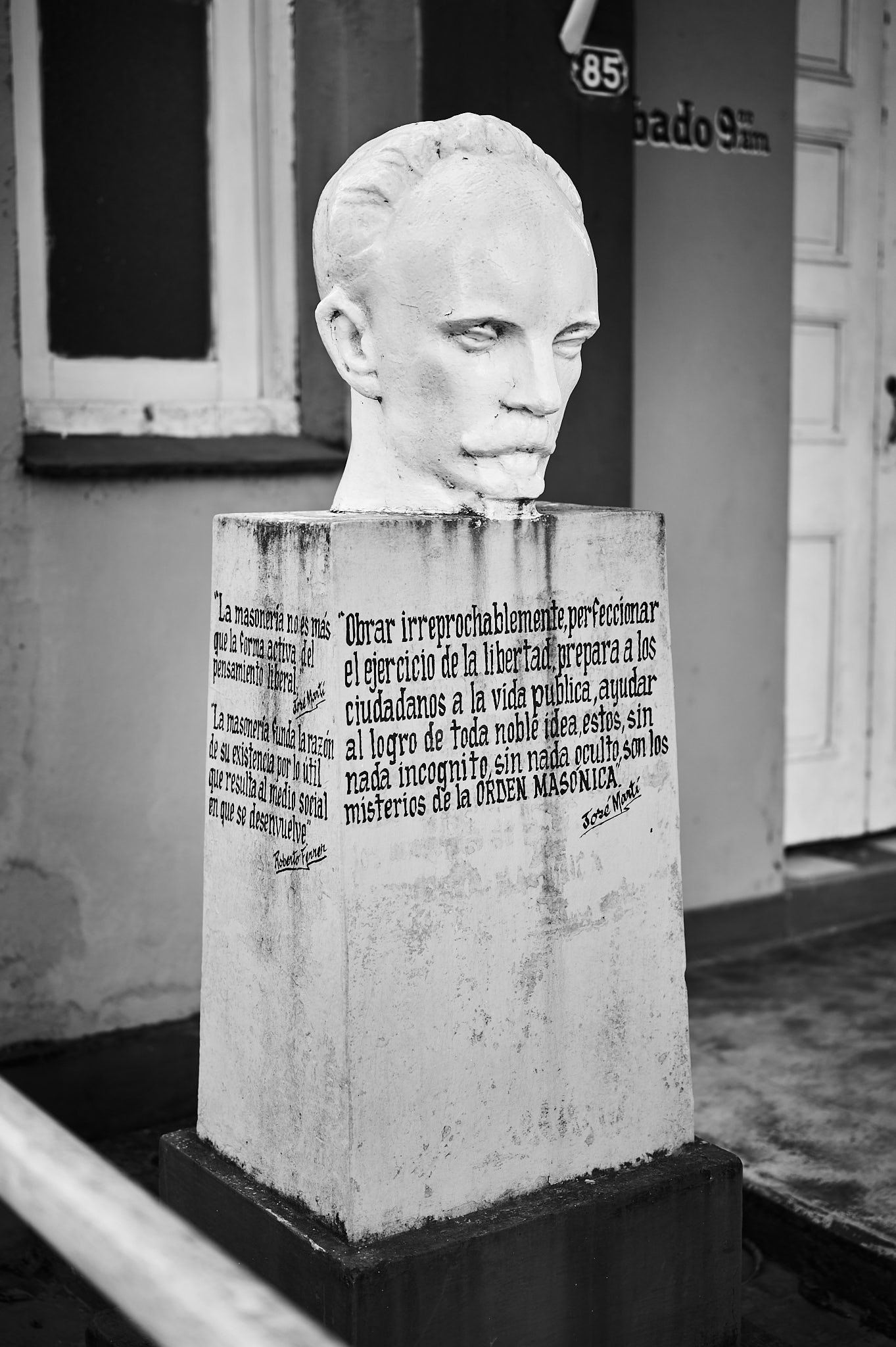
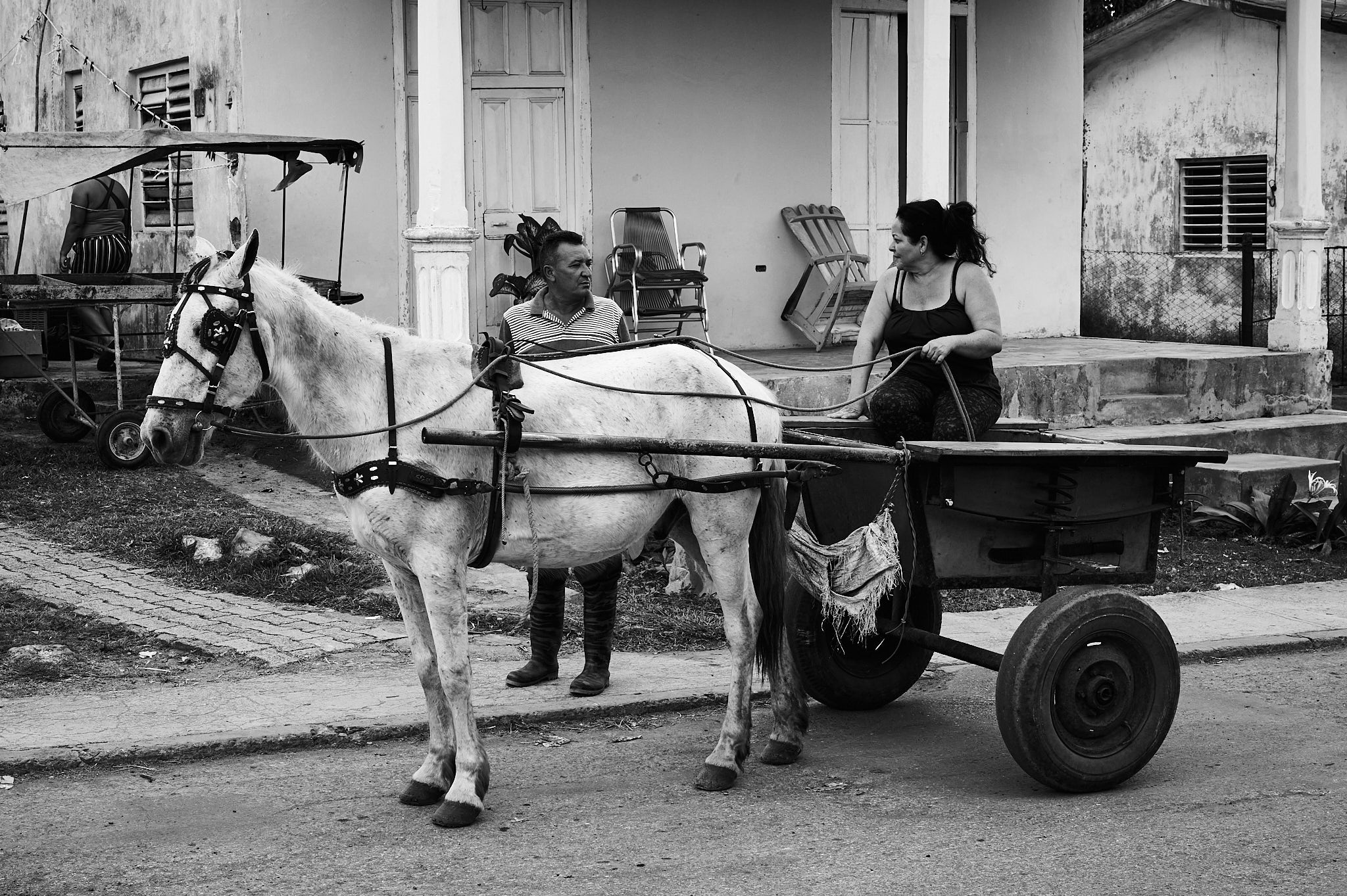
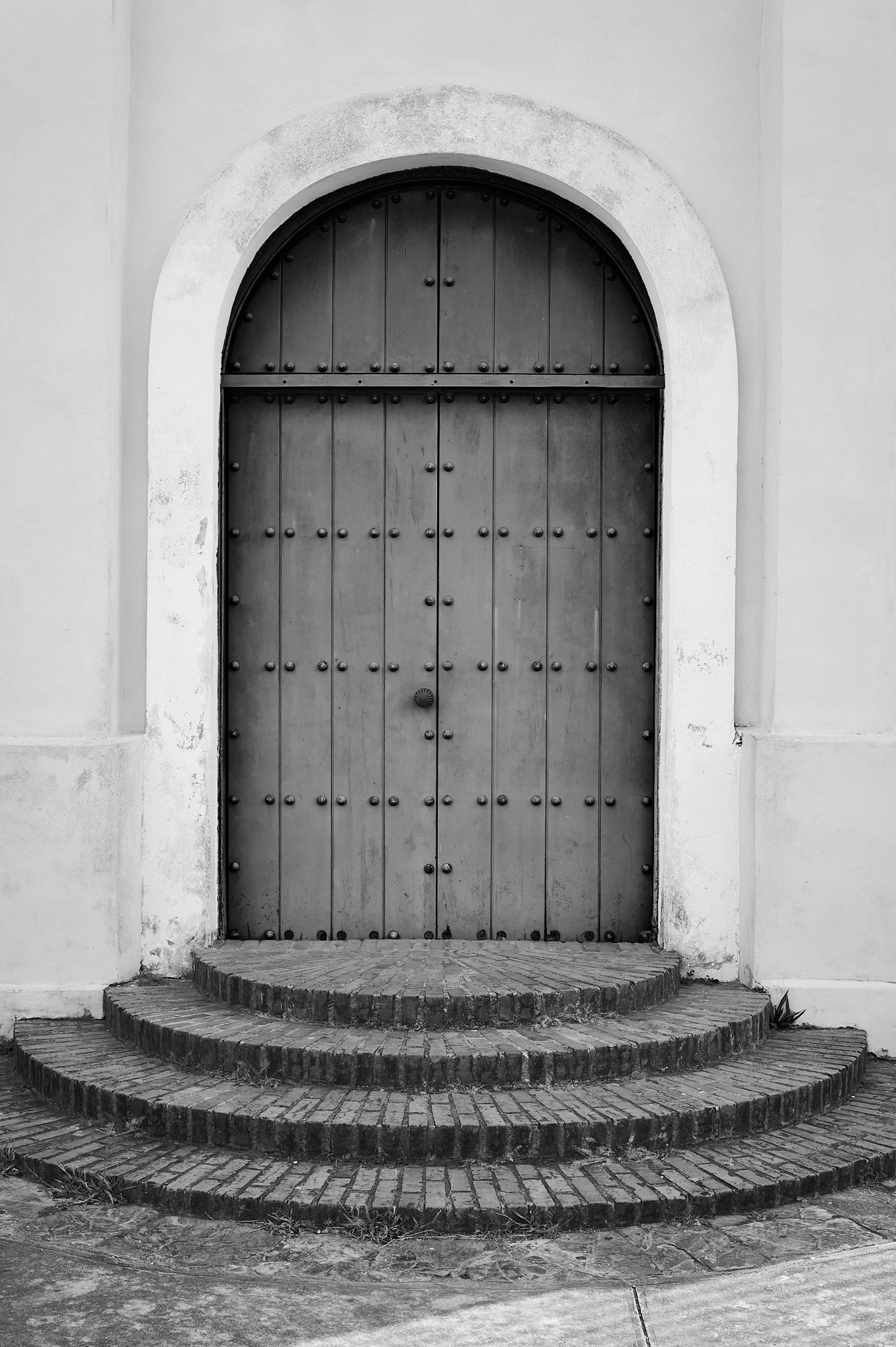
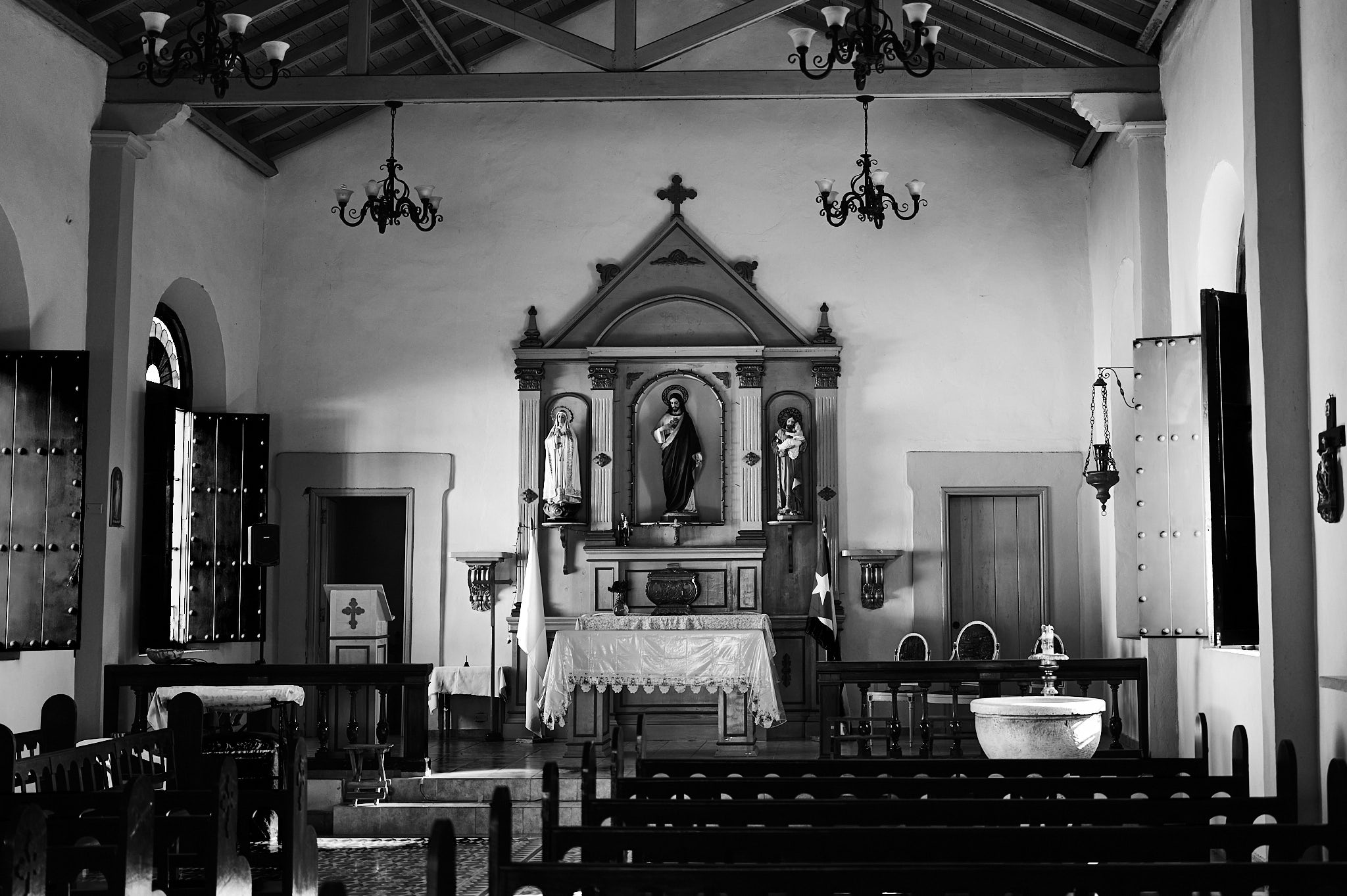
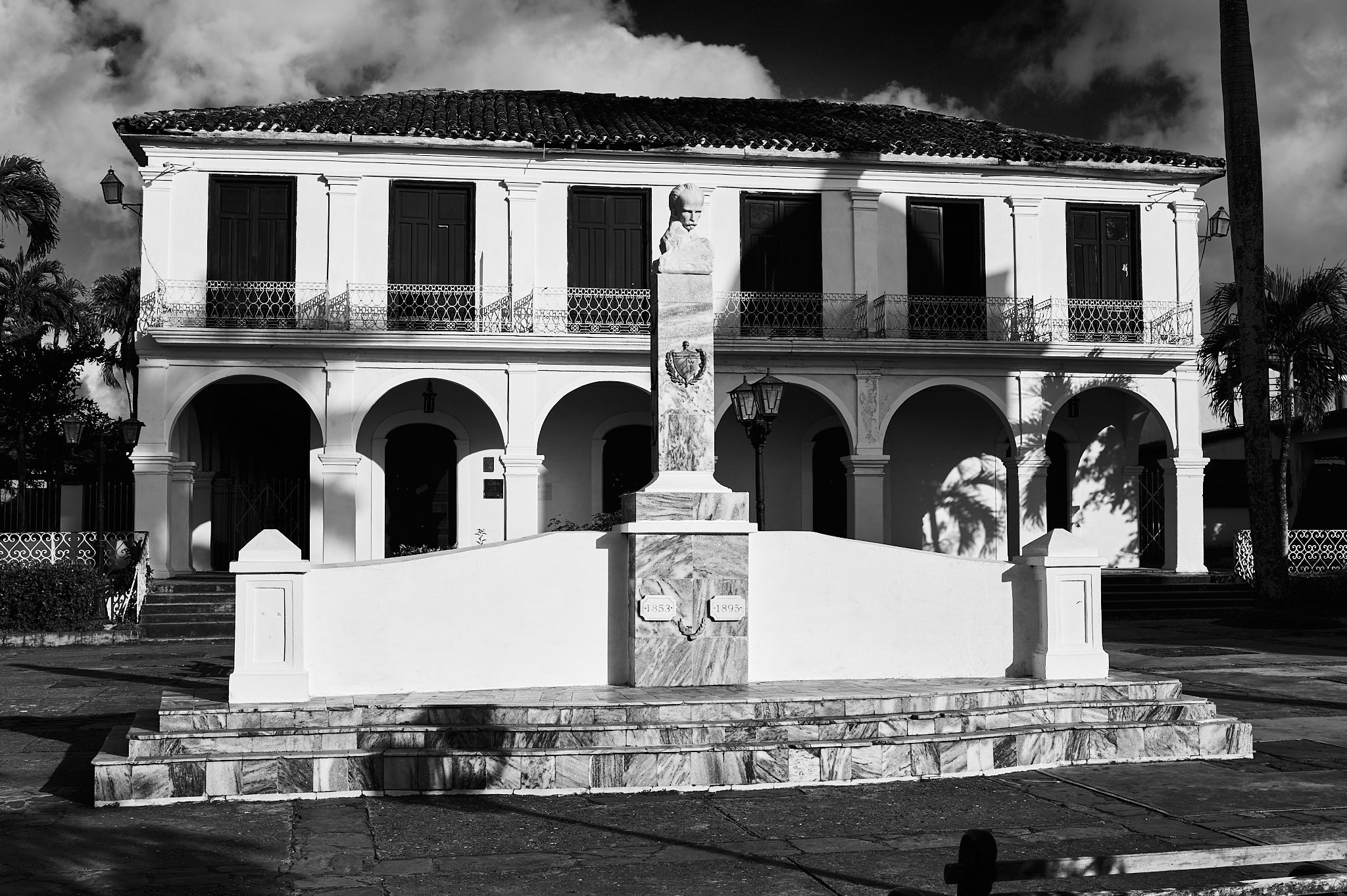
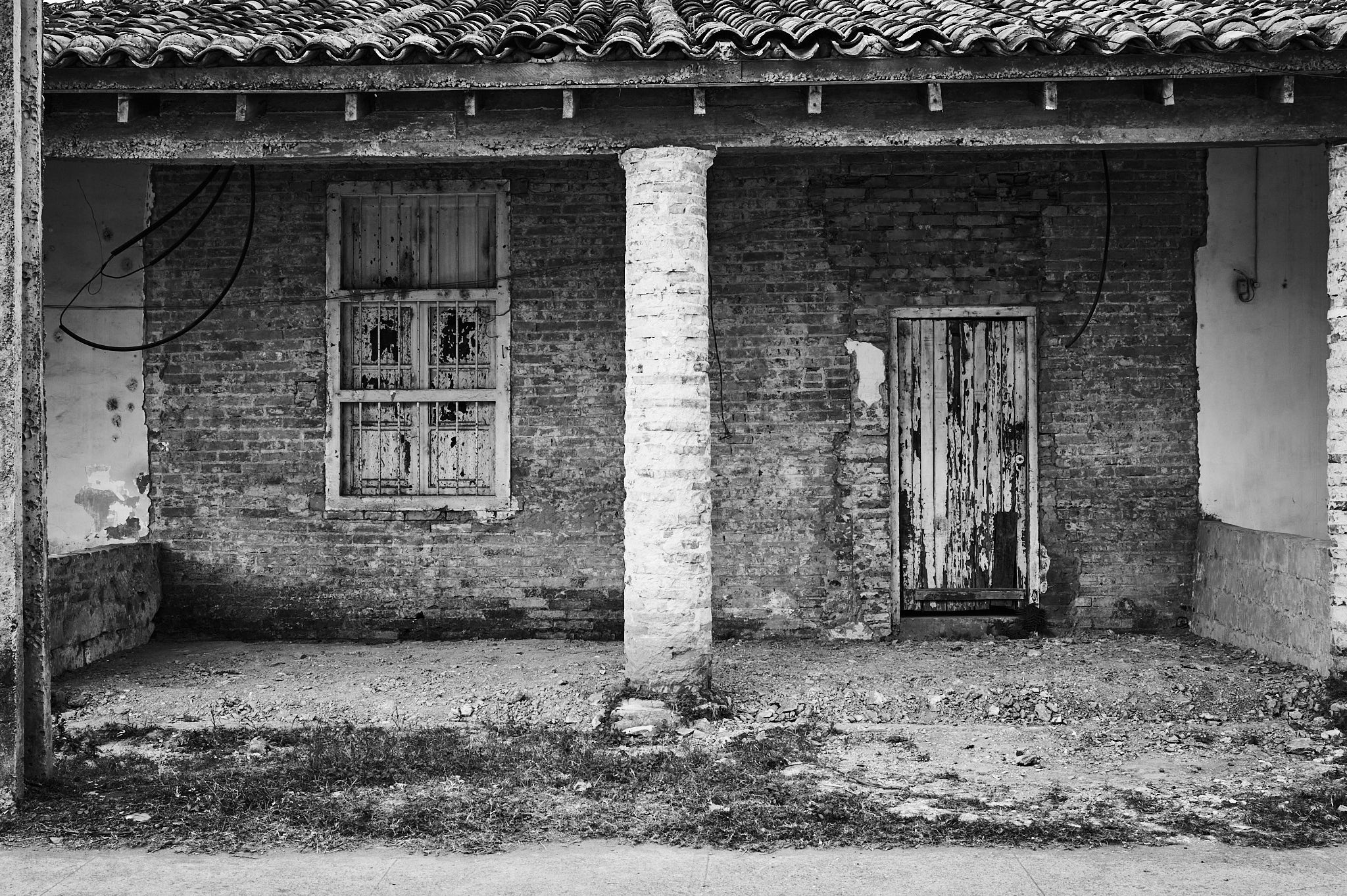
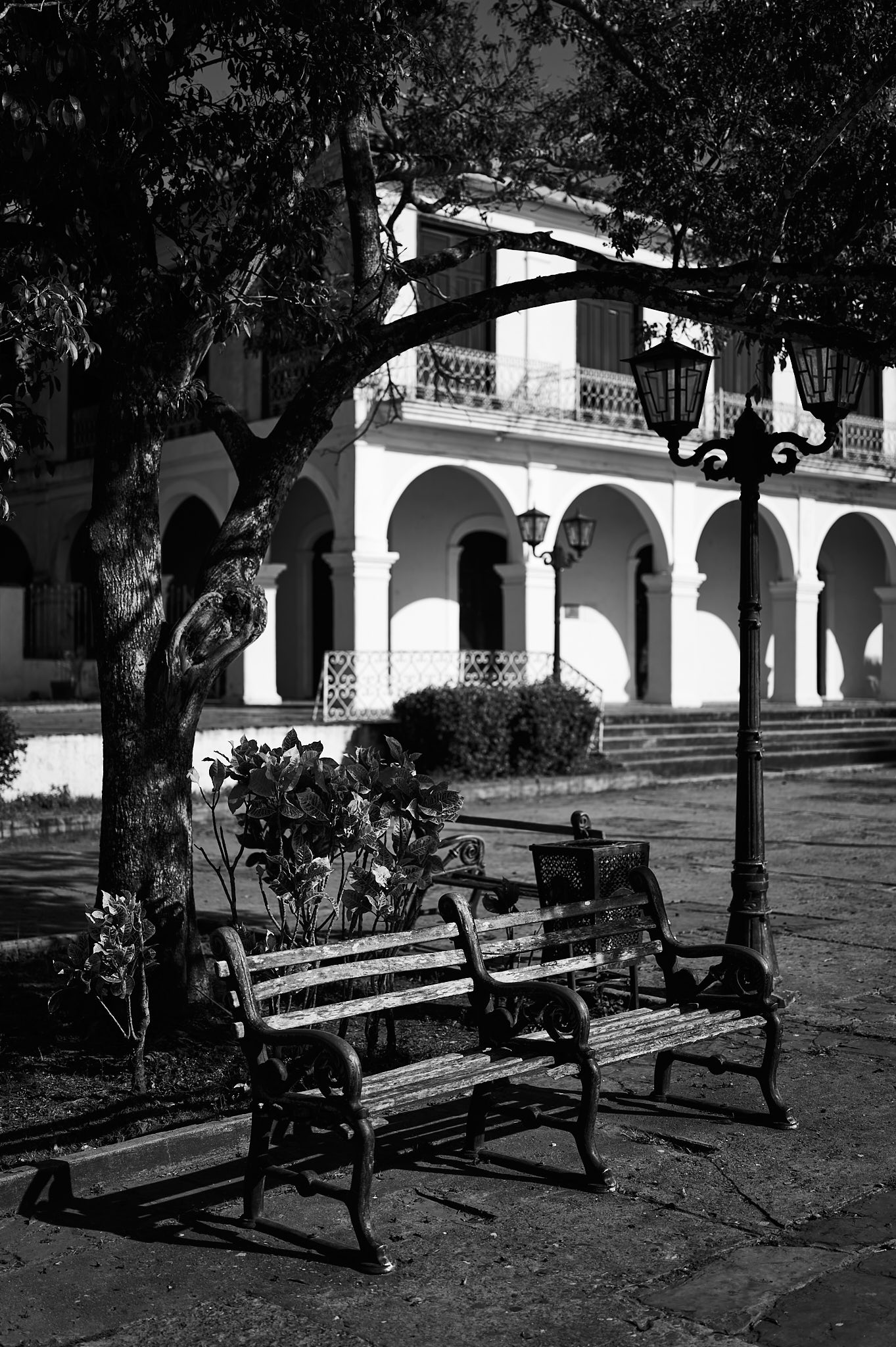
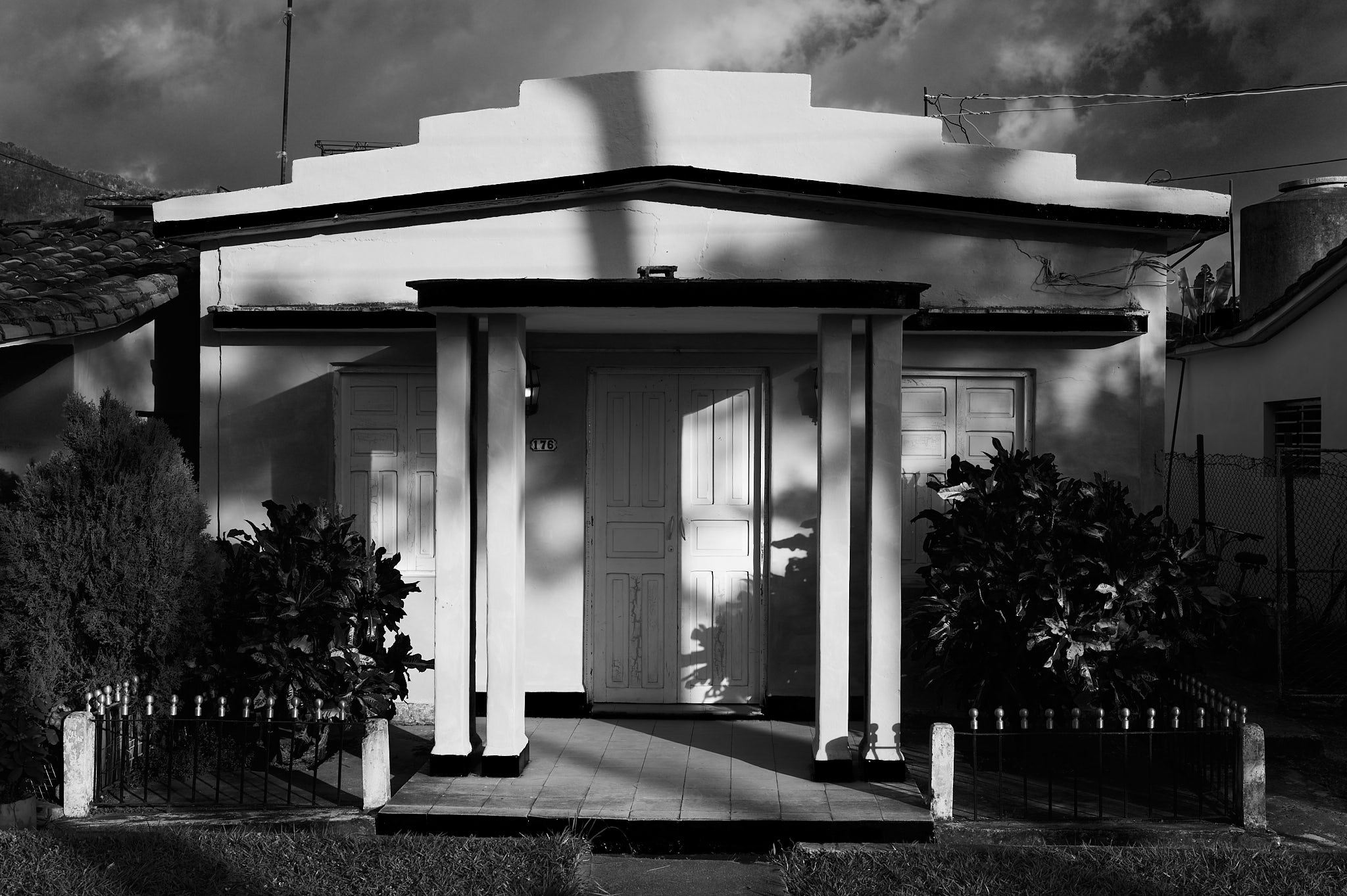
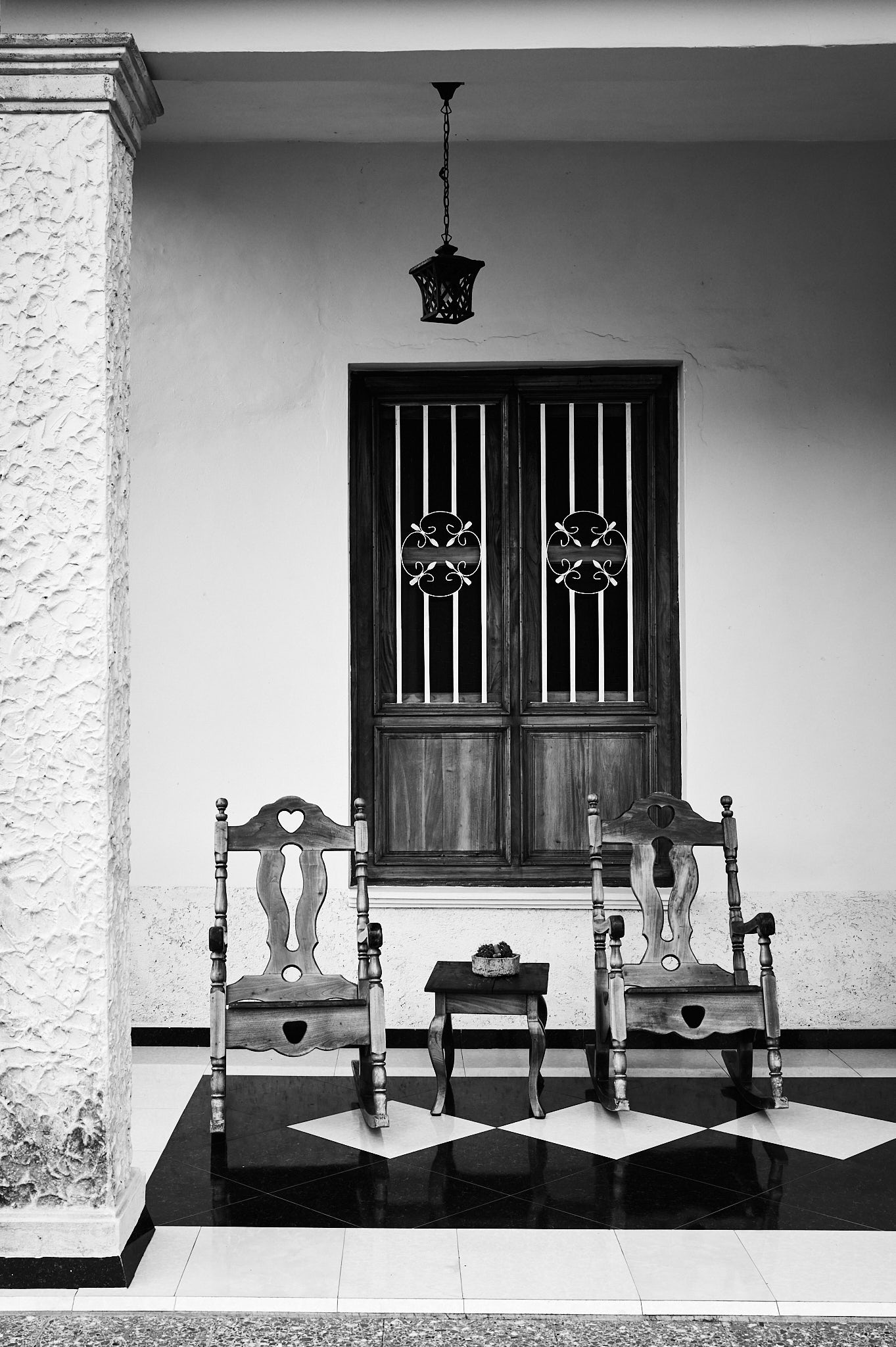
Viñales is a striking blend of traditional Cuban architecture and agriculture. Located in the Pinar del Río Province, it serves as the gateway to the Viñales Valley – a UNESCO World Heritage site famous for its dramatic limestone mountains that rise from a valley floor of iron-rich soil and world-renowned tobacco fields.



Escogida and Despalillo
The Art of Refinement
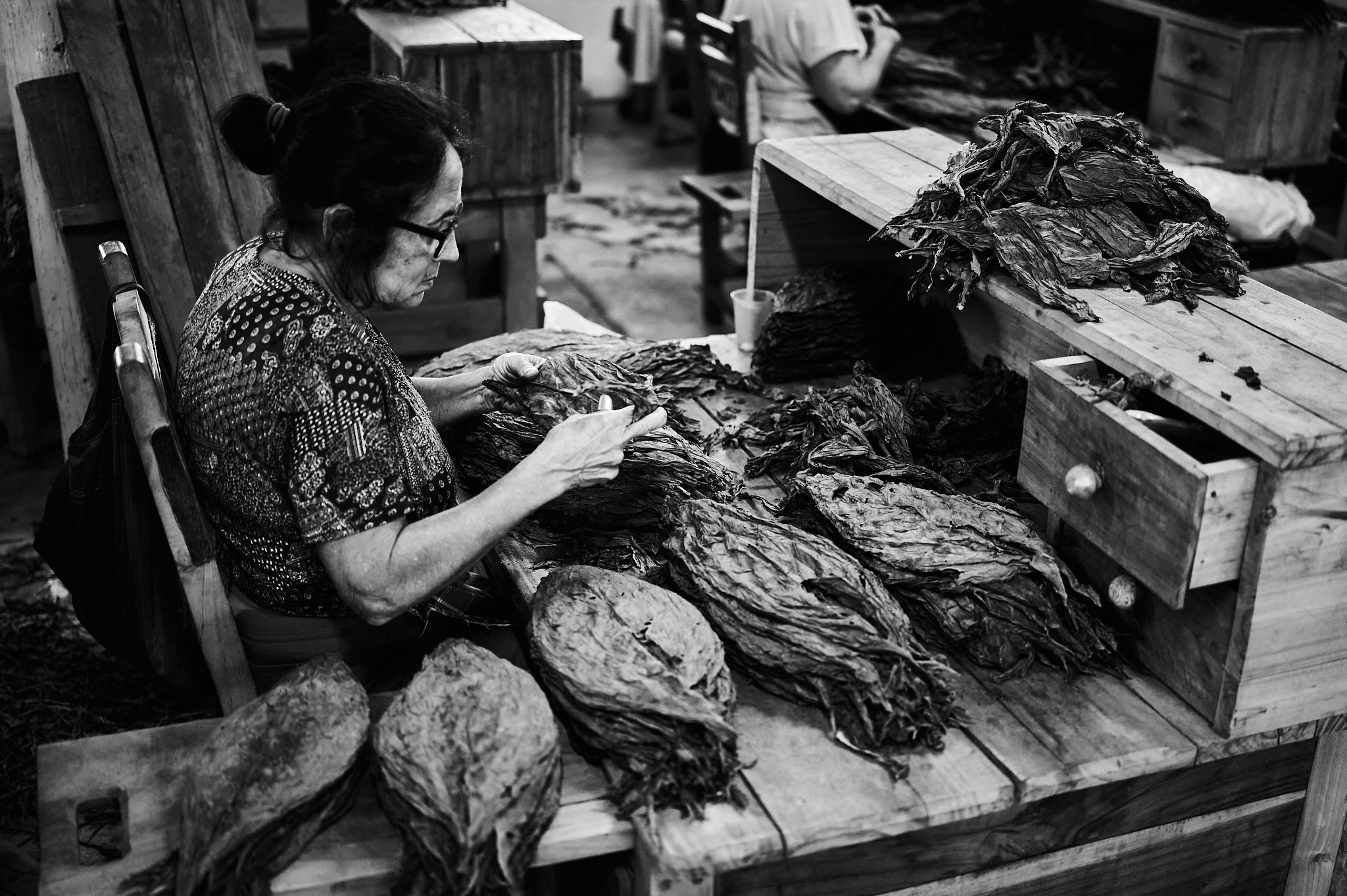
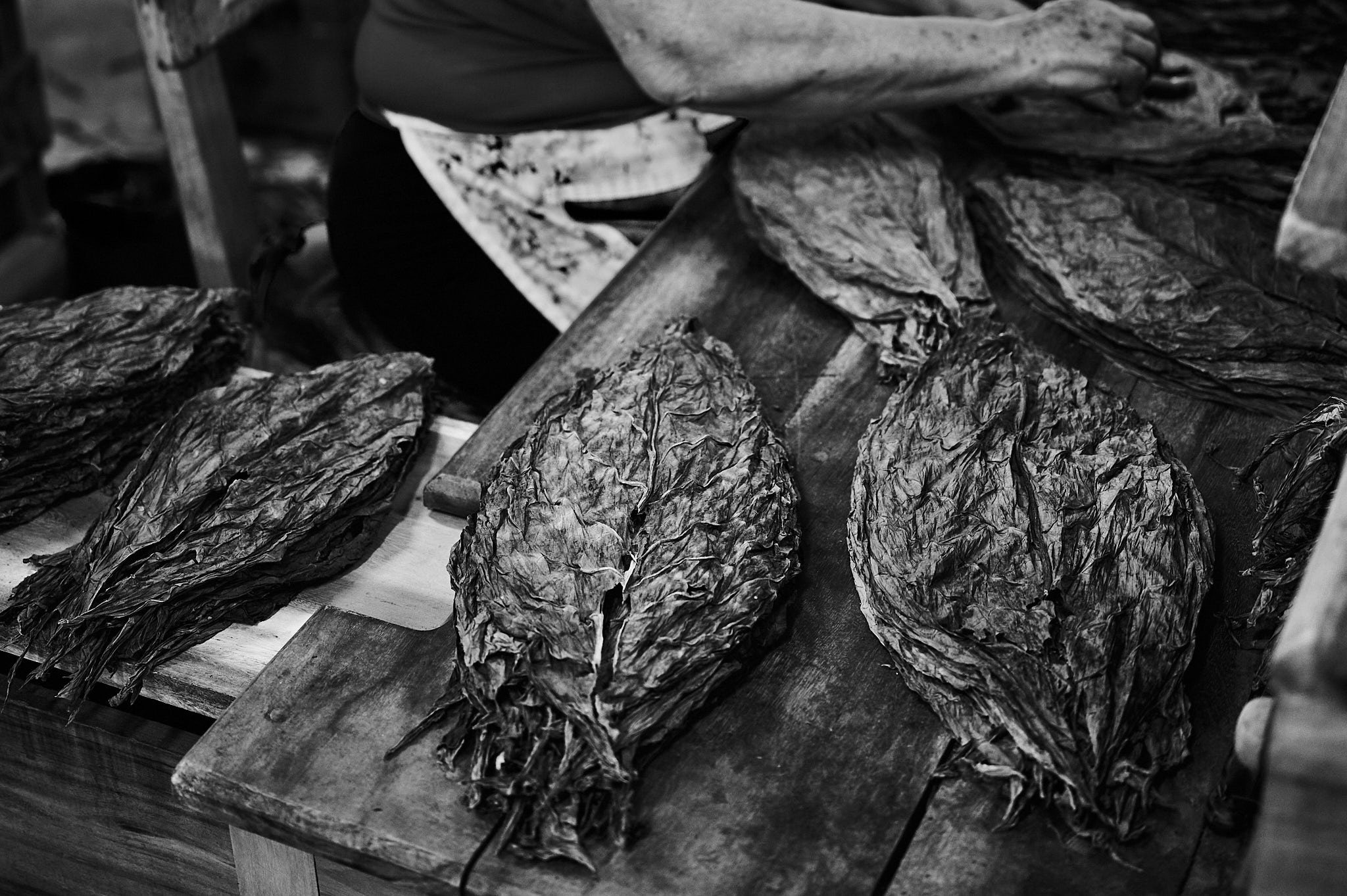
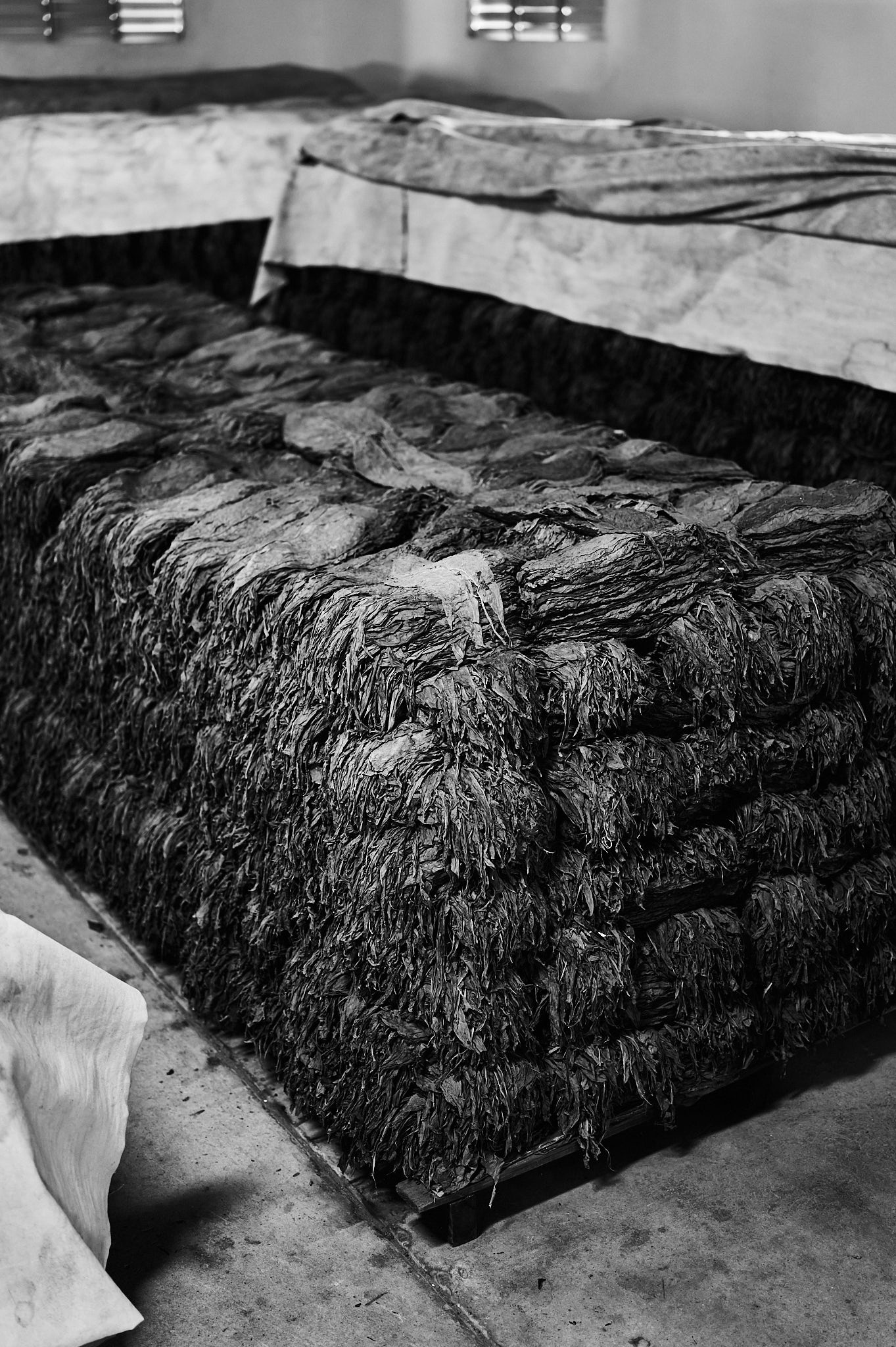
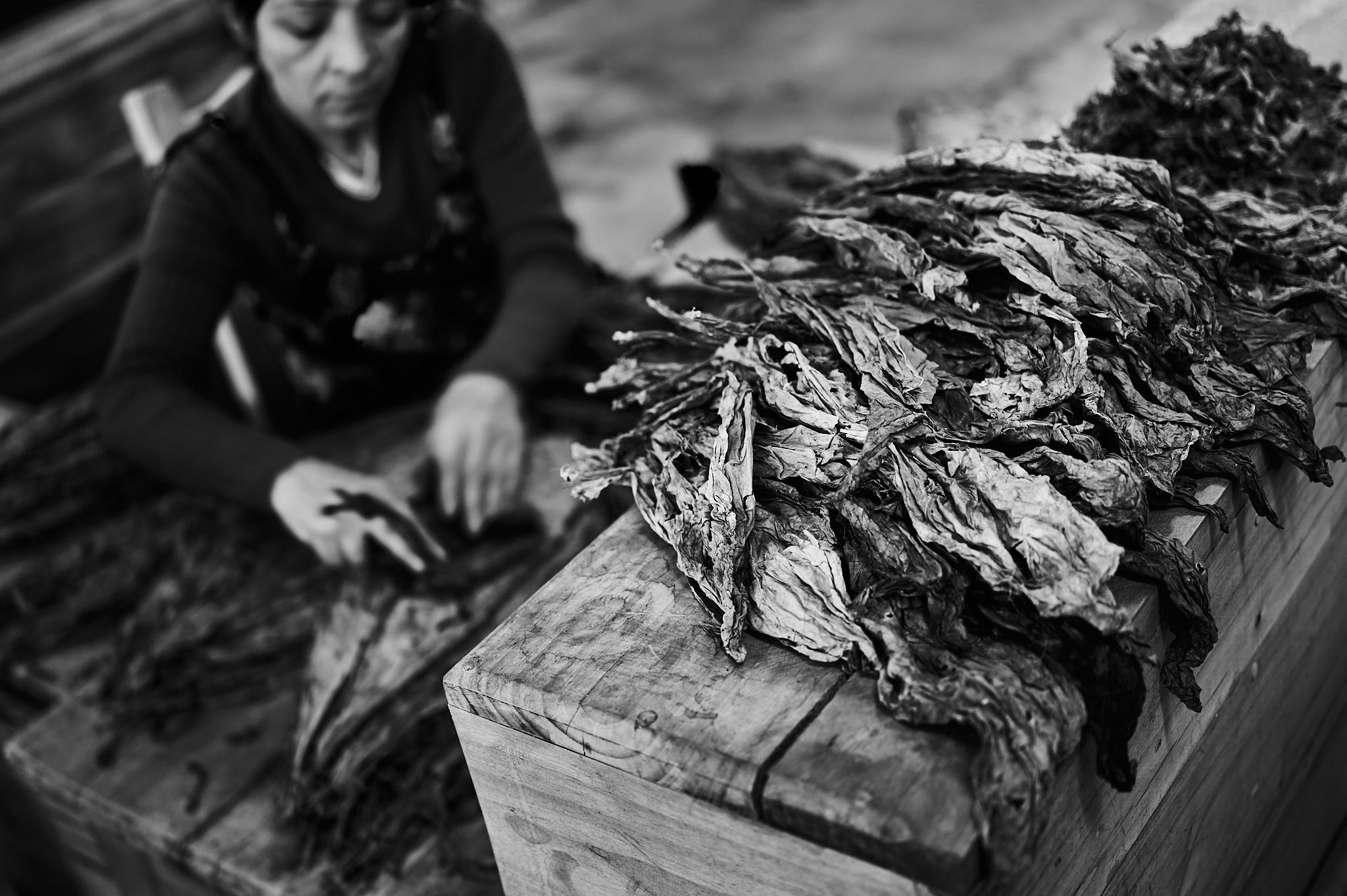
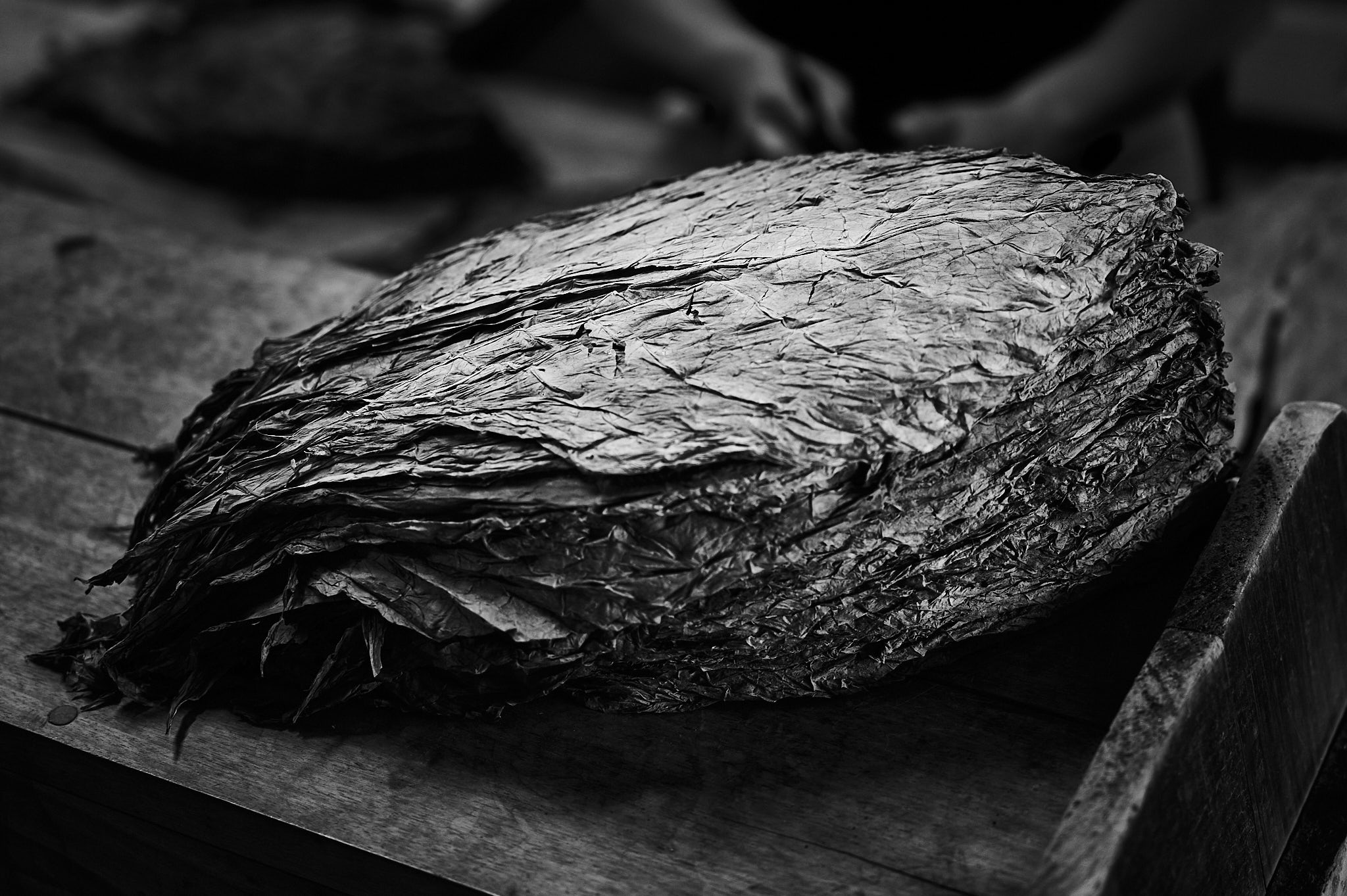
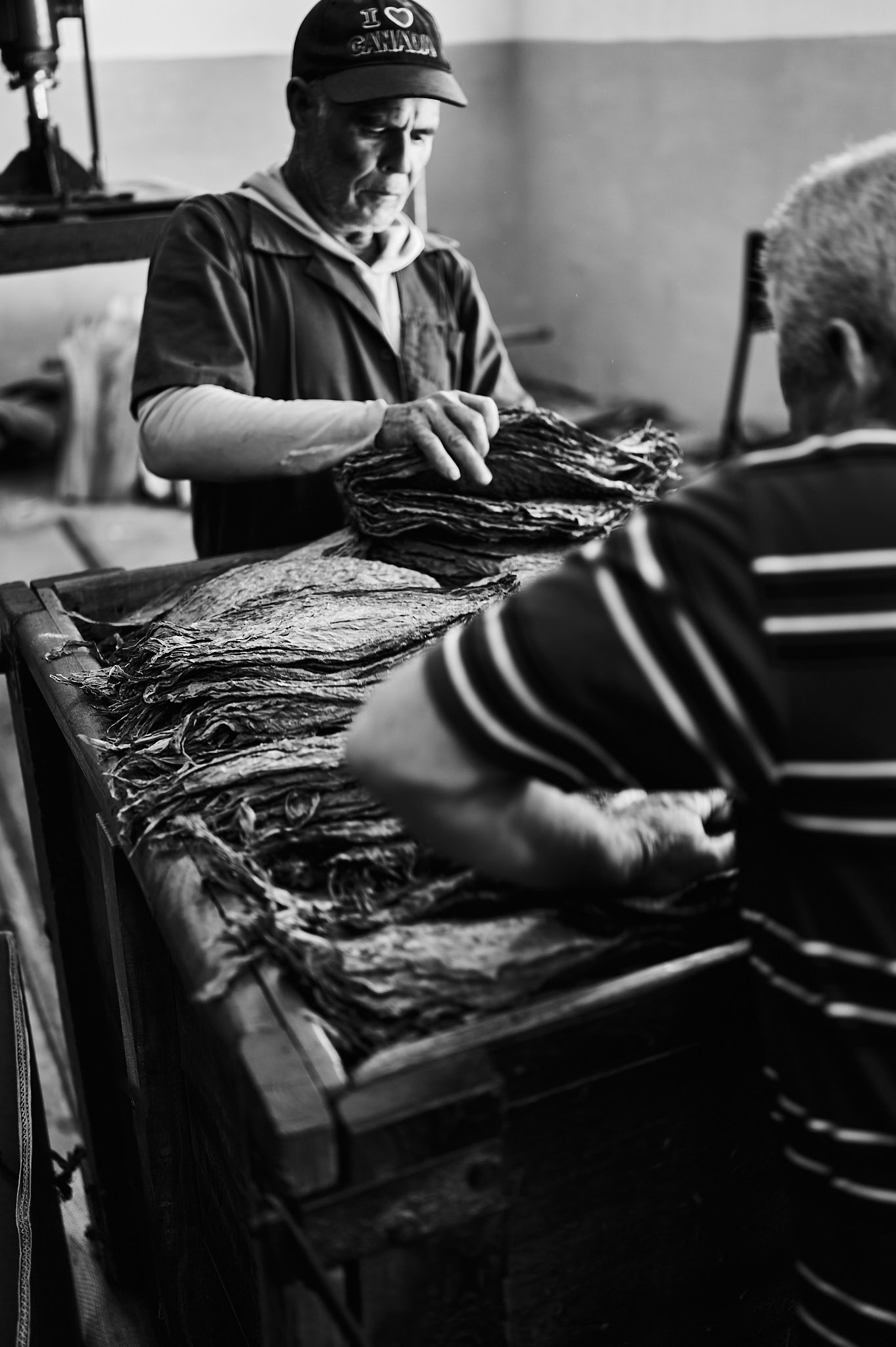
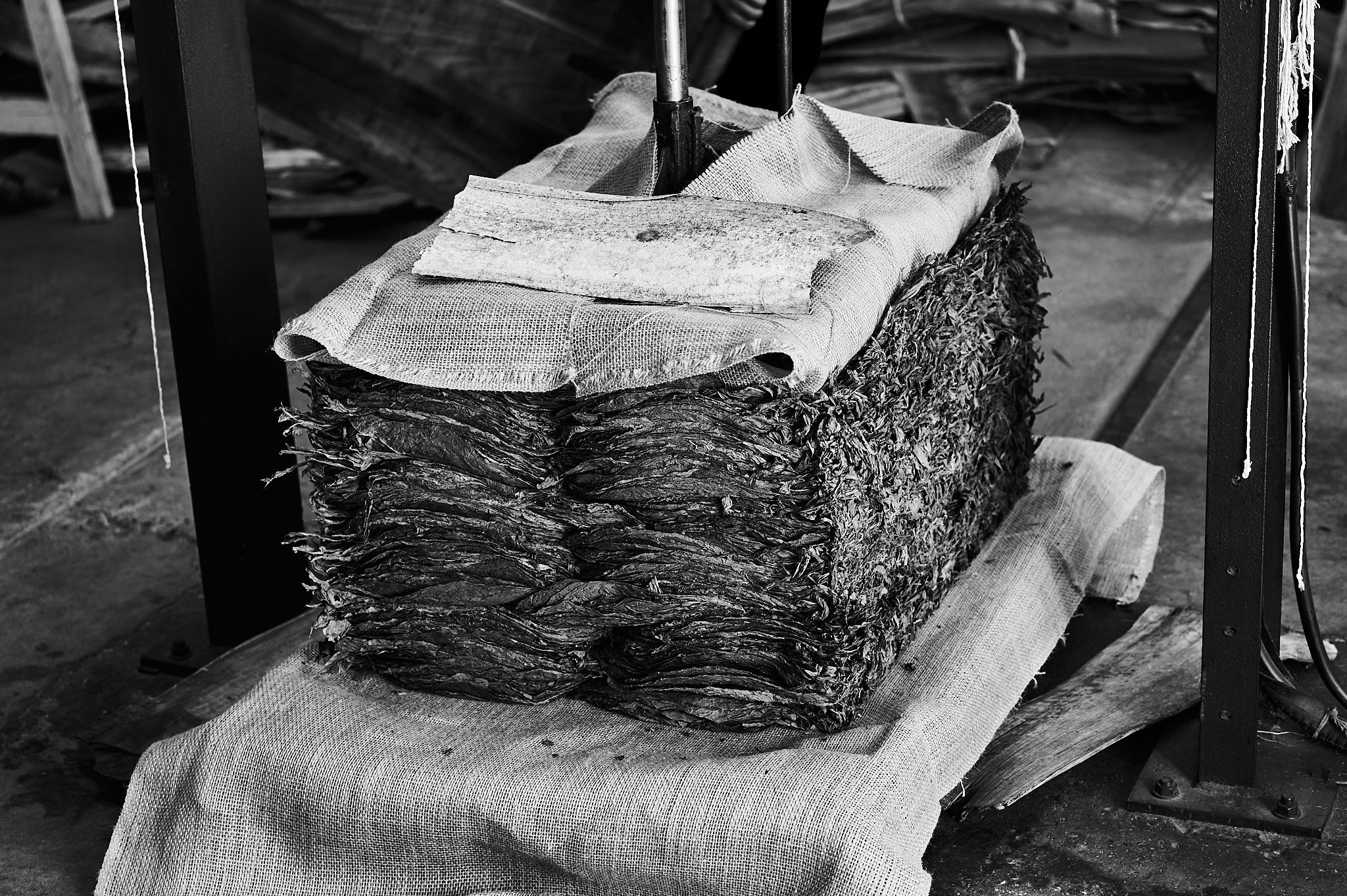
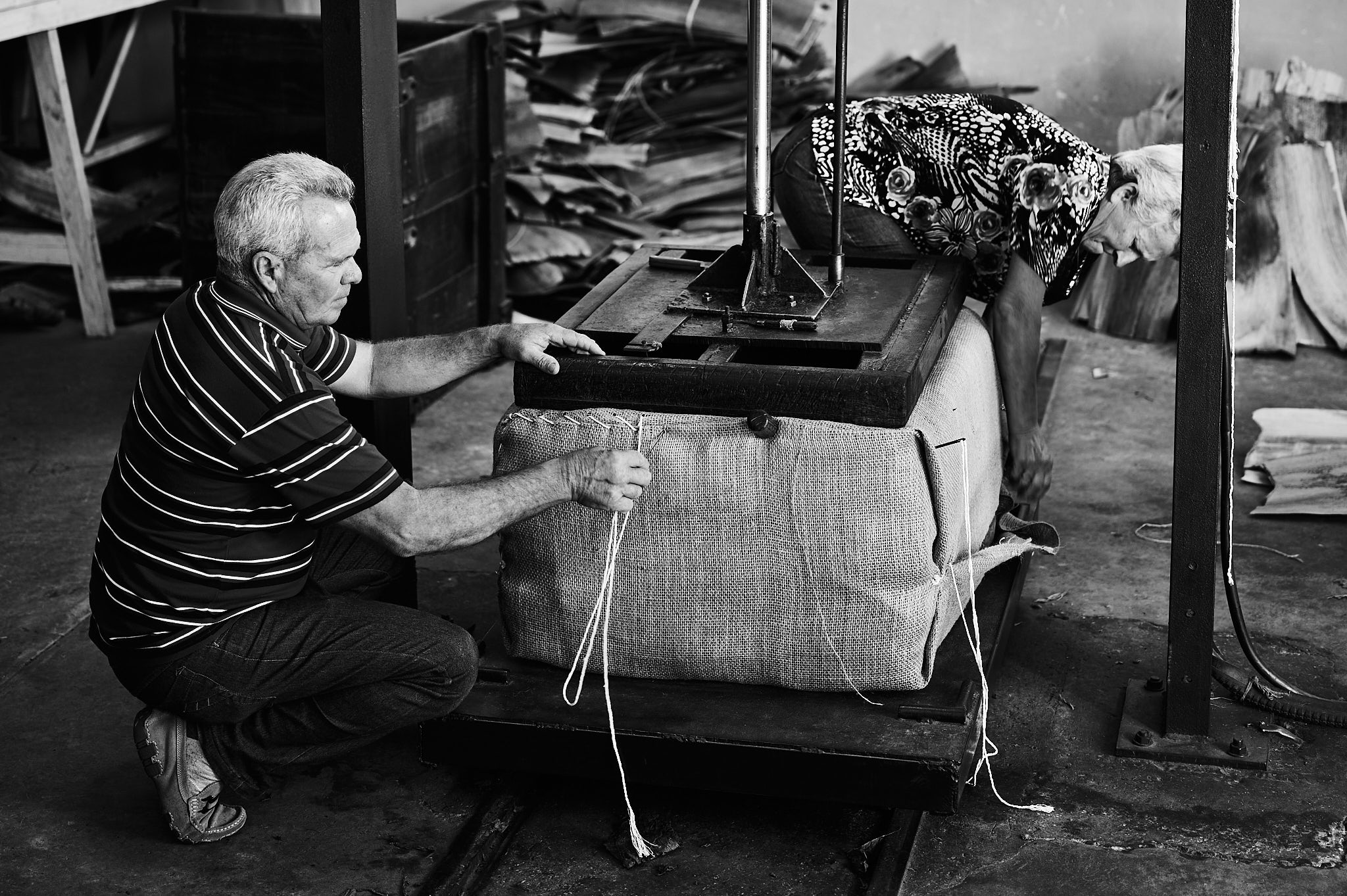
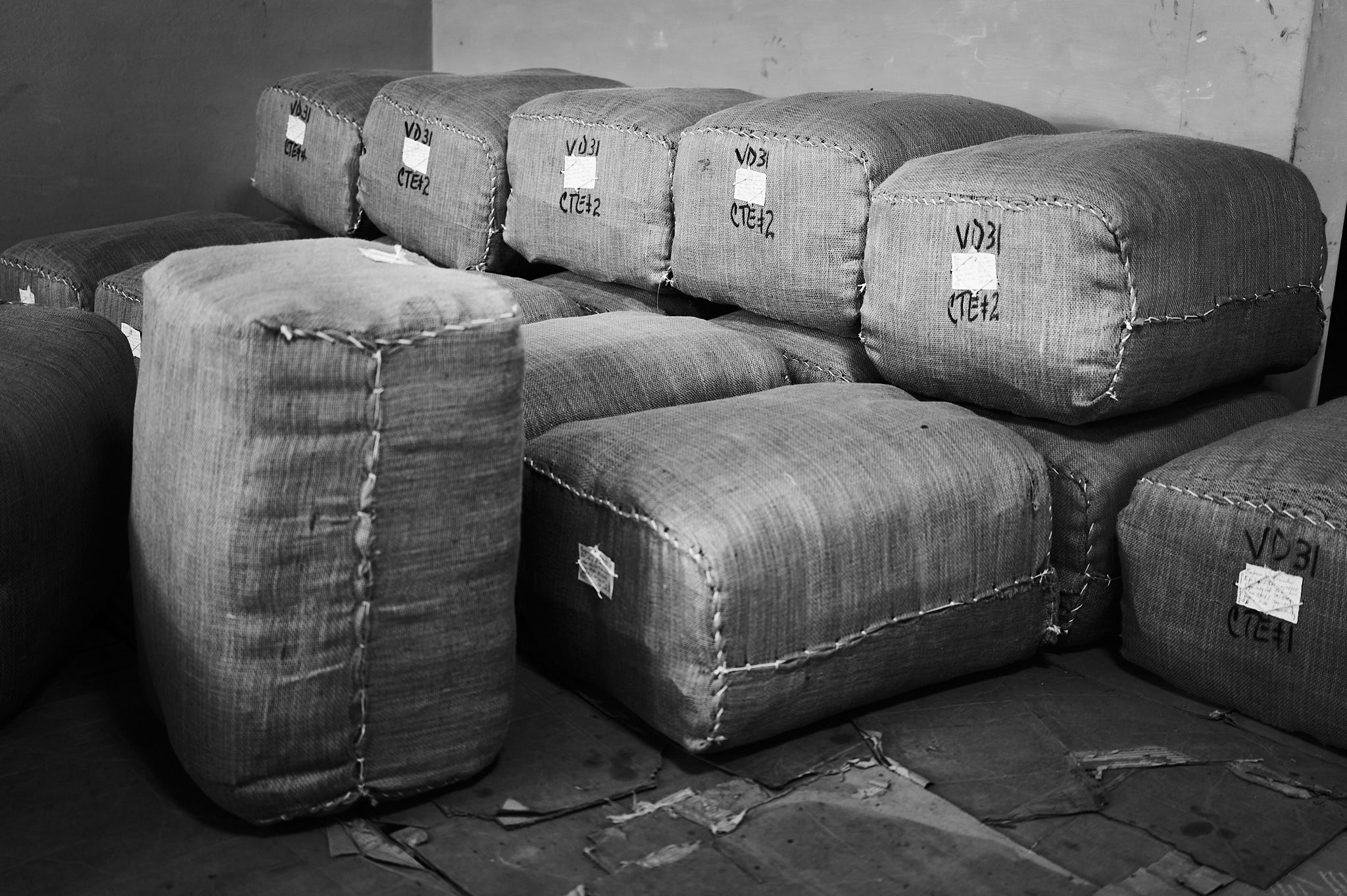
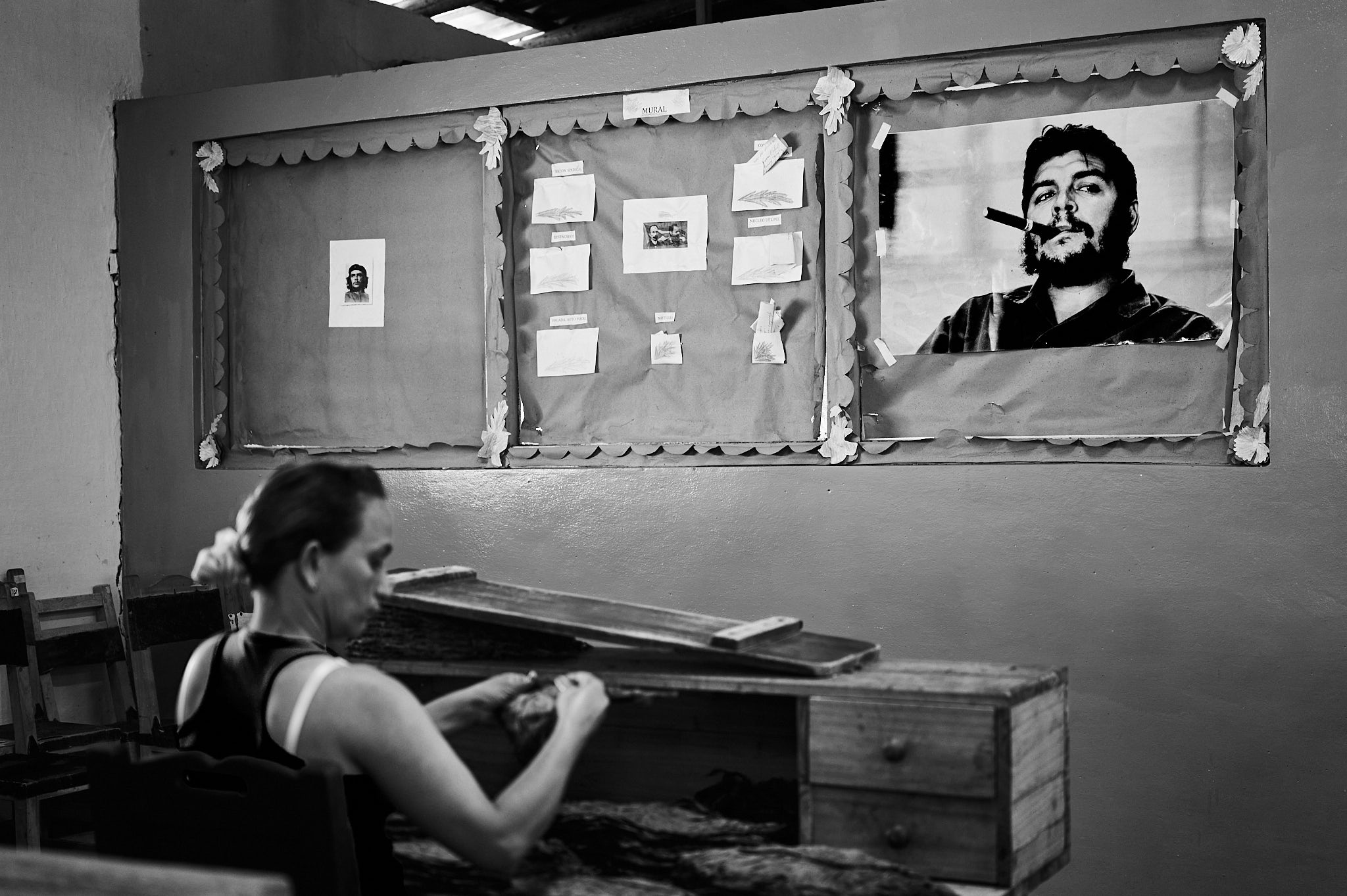
In many of the specialized facilities in Viñales, the distinct stages of the Escogida; the sorting and fermentation center, and the Despalillo; the stripping house, are integrated into a single, continuous operation. This combined workflow begins as the air-cured leaves arrive from the local farms to undergo their first fermentation in large, carefully monitored piles known as pilones. During this Escogida phase, workers meticulously sort the leaves by size, color, and texture, ensuring only the finest specimens proceed.
Once the initial heat has refined the tobacco, skilled workers transition the leaves into the Despalillo or stripping phase, where the central veins (the pedicels) are expertly removed from the lower two-thirds of the leaf to further reduce harshness and nicotine content. The process then moves seamlessly into a second, more intense fermentation, ensuring that the chemical transition of the leaf is complete and the resins have mellowed. By housing these operations under one roof, the facility can maintain a strict control over the moisture and temperature levels necessary to produce the highest quality tobacco for premium Habanos.